
Last updated September 21, 2026
Full 25-point door and opener safety check with every visit - springs, cables, rollers, tracks, and your LiftMaster or Chamberlain opener included
You get a price before we start. It does not change when the truck arrives.
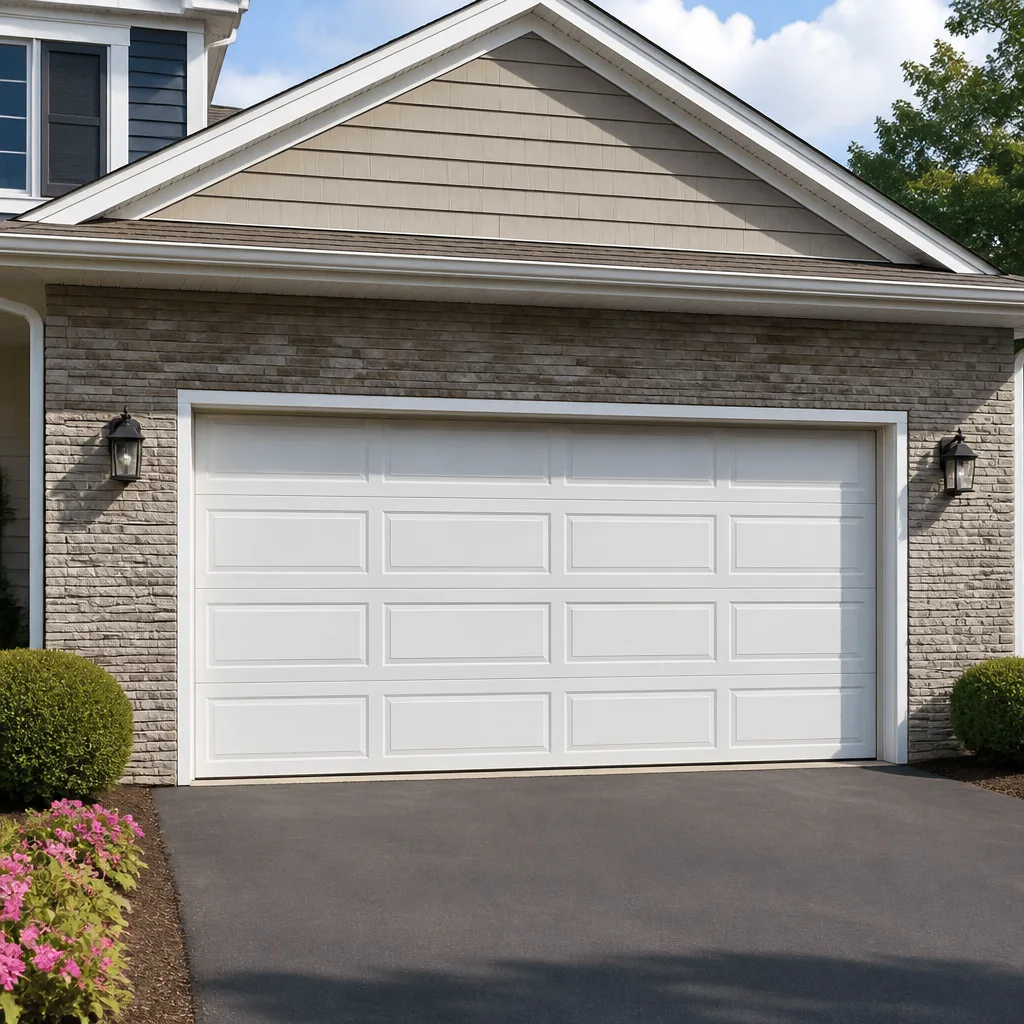
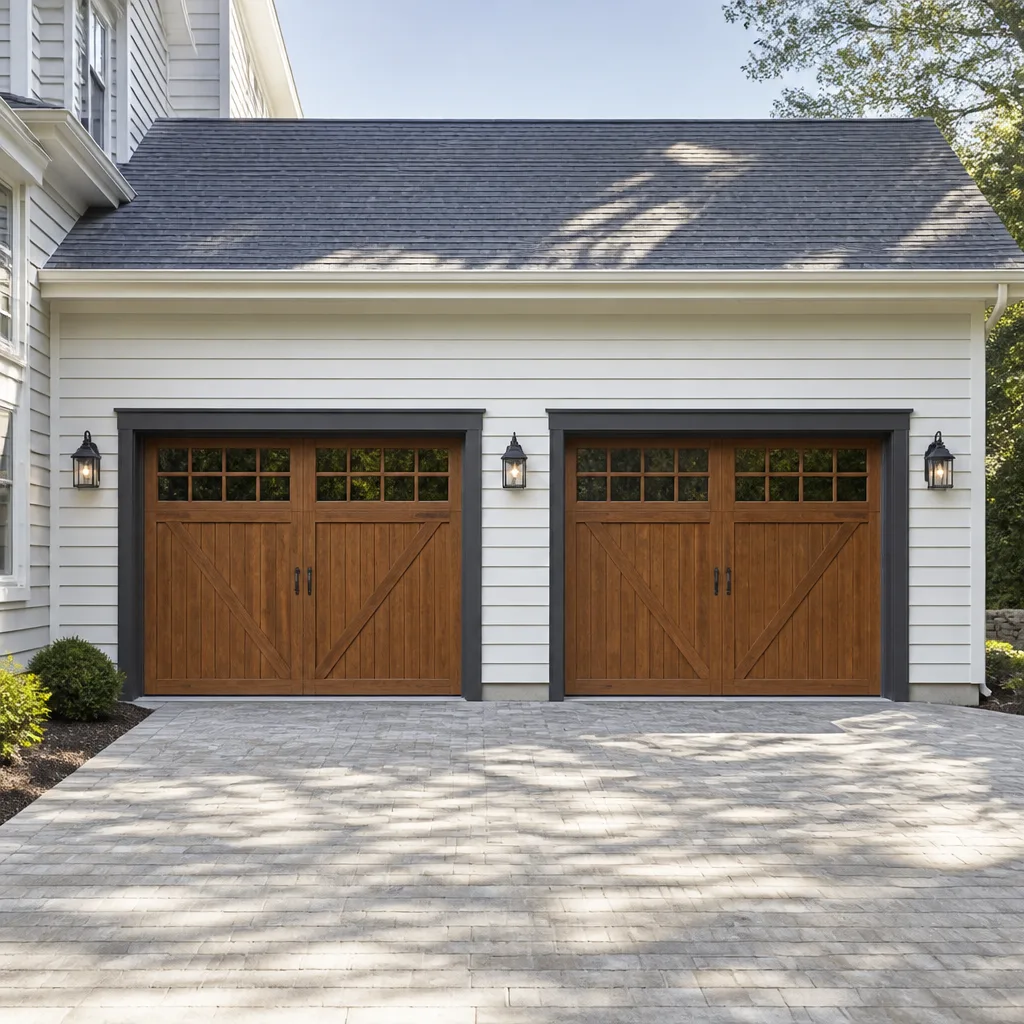
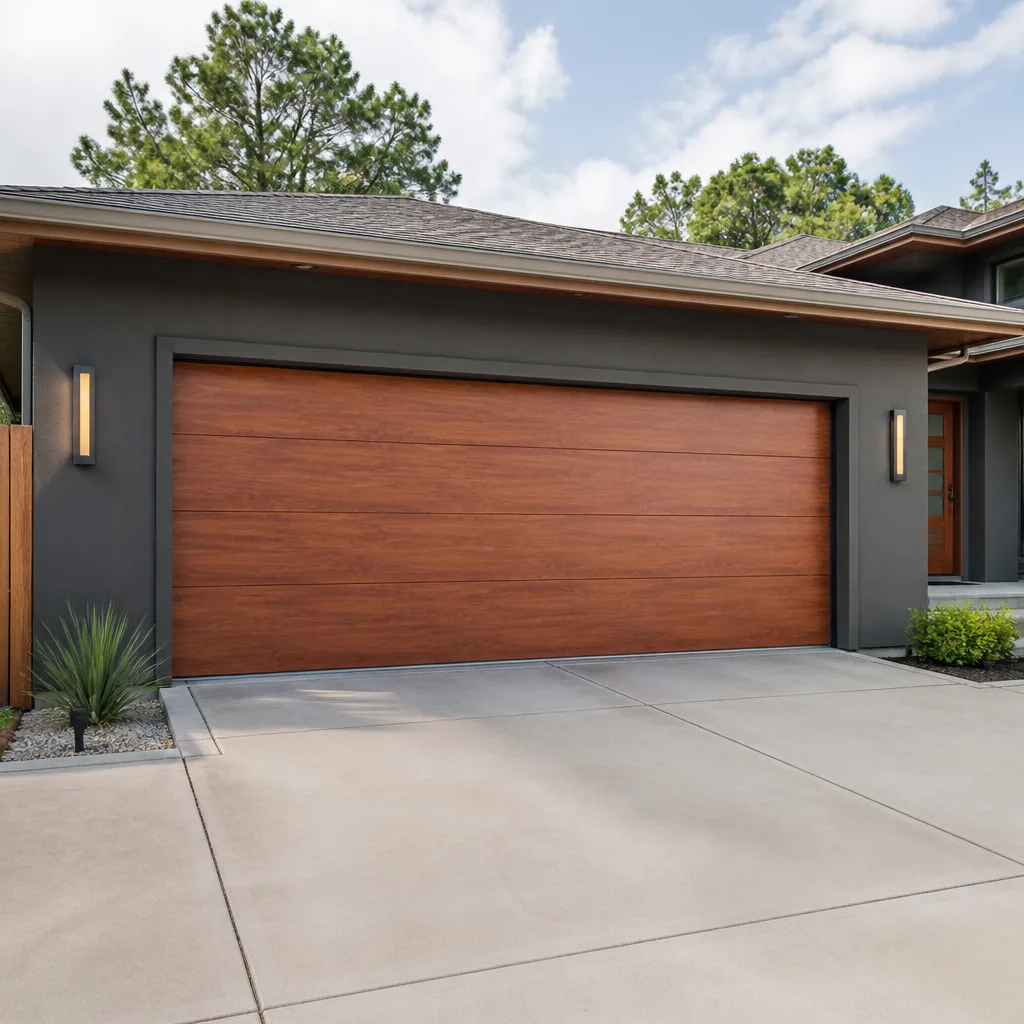
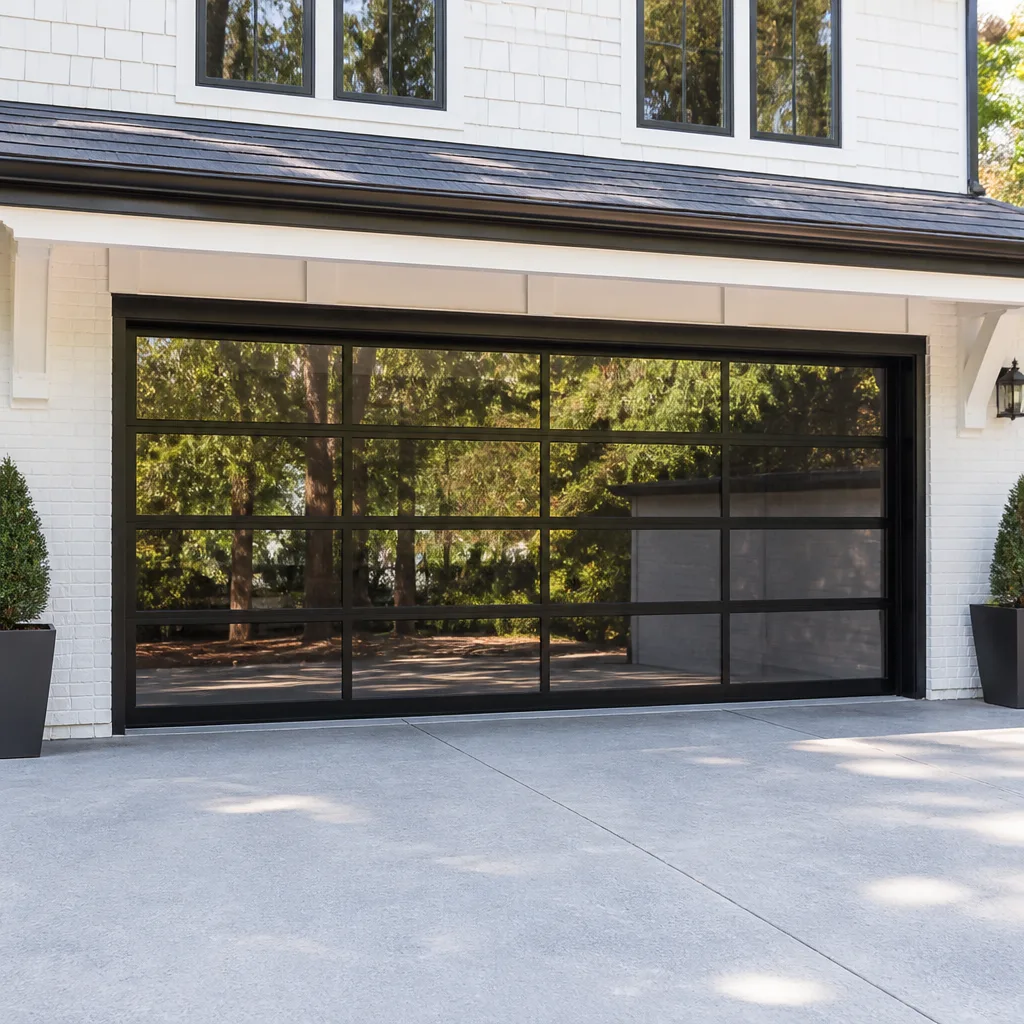
 Before
 After
After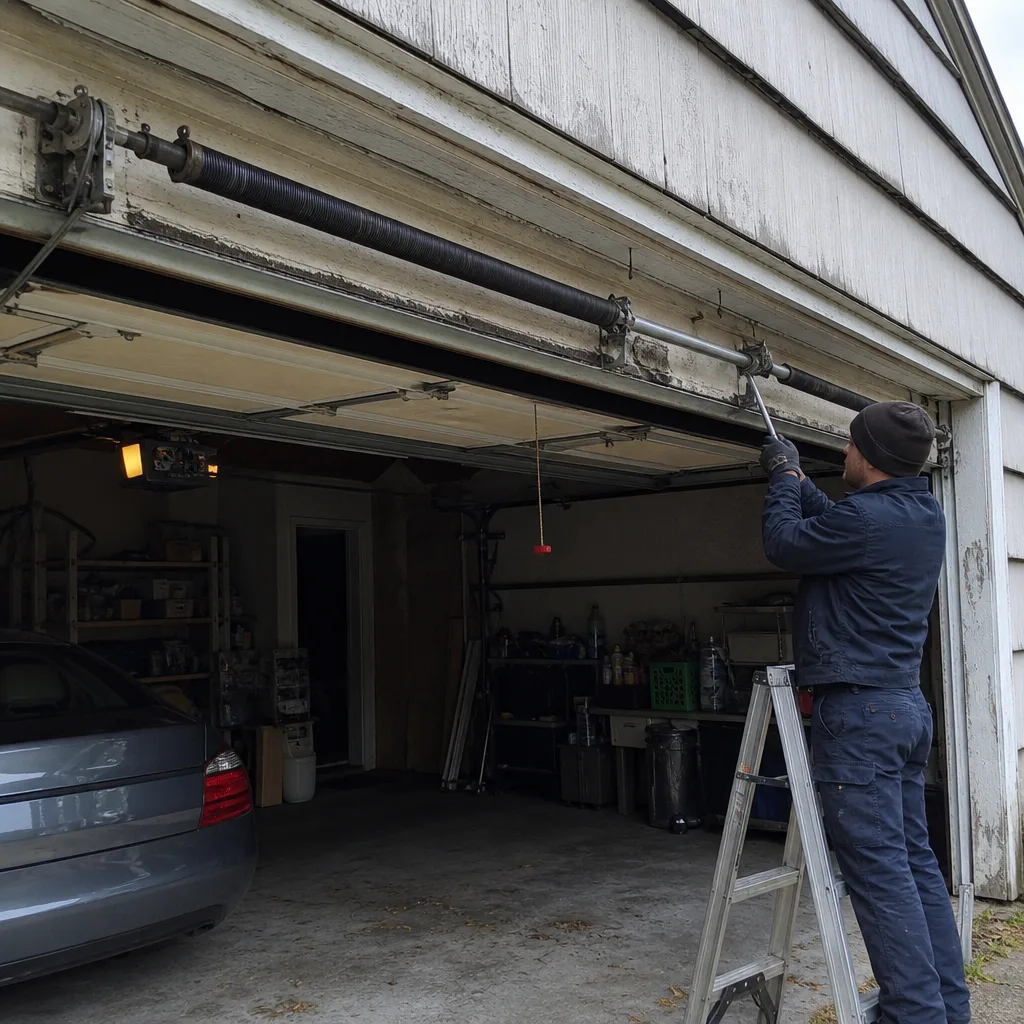 Before
 After
After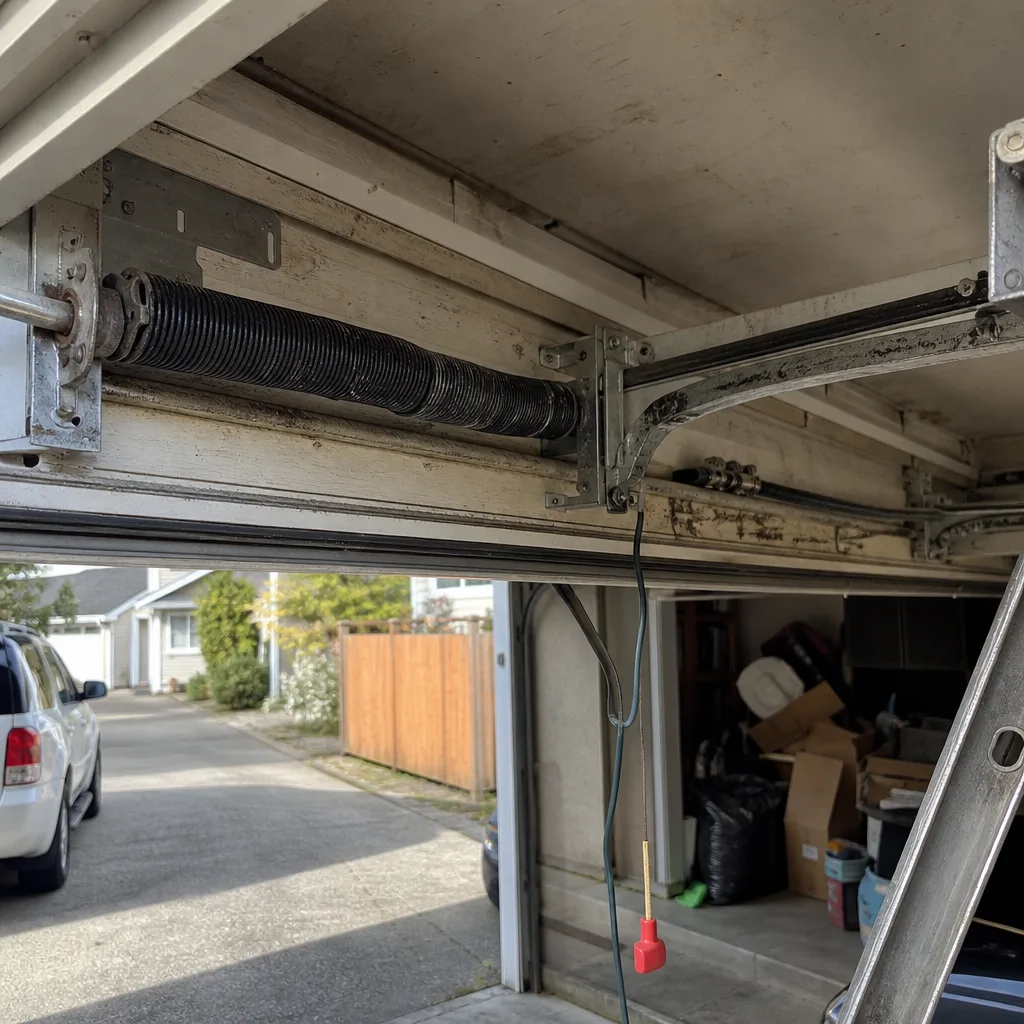 Before
 After
AfterGarage Door Cost Breakdown: The Olympia Homeowner’s Reference for 2026
In 2024, we quoted two Olympia homeowners on the same street in the Governor Stevens neighborhood for what looked like identical single-car door replacements. One paid $1,180. The other paid $2,340. Both were fair prices. The difference was that the second project required a torsion spring conversion, 12-gauge hardware upgrade, and a new opener circuit run across an unfinished garage ceiling. Without line-item quotes, neither homeowner could have compared the two scopes. This guide itemizes every variable in Olympia garage door pricing so you can read a quote like a technician reads a diagnostic.
Quick Answer
A complete garage door replacement in Olympia in 2026 typically costs $1,200 to $3,800 for most residential projects, with basic single-car steel doors starting near $900 and premium insulated double-car doors with wall-mount openers reaching $4,500 or more. Repair work ranges from $180 for a cable replacement to $650 for a full torsion spring system. The exact price depends on steel gauge, insulation core, hardware grade, opener type, and site conditions specific to your garage.
Table of Contents
- Why Quotes Vary So Widely for the Same Door Size
- Component-by-Component Cost Table: Olympia 2026
- What Separates a $900 Door from a $2,500 Door
- Labor Variables That Change the Price
- Permits, Inspections, and Timelines in Thurston County
- How to Read a Quote for Omissions
- Opener Costs and Compatibility
- When Repair Makes Sense vs. Full Replacement
 Before
 After
AfterWhy Quotes Vary So Widely for the Same Door Size
The first thing to understand about garage door pricing in Olympia is that “16×7 door replacement” describes a dimension, not a scope of work. Three contractors can bid that phrase and deliver three different assemblies.
We’ve seen this repeatedly in the Bigelow Highlands and Eastside neighborhoods, where homes built between 1985 and 2005 often have original doors with 24-gauge steel, single-layer construction, and extension spring systems. A contractor who quotes a straight swap at the lowest possible price will install another 24-gauge door with extension springs. A second contractor might quote a torsion spring conversion and 25-gauge steel at mid-tier pricing. A third might include insulated sandwich construction, heavy-duty 14-gauge hardware, and a new belt-drive opener. All three quotes say “16×7 door replacement.”
The homeowner’s job is not to find the lowest number. It’s to find the scope that matches their needs, then compare prices for that identical scope.
Several Olympia-specific factors widen these ranges:
- Moisture exposure: Homes near Budd Inlet or the Deschutes River floodplain experience higher humidity and occasional standing water in garages. Bottom seals, hardware, and low-grade steel fail faster here. We regularly see rust-through on 24-gauge doors in these areas within 8-10 years.
- Wind exposure: Properties on the west-facing slopes toward Black Lake or along the Cooper Point ridge catch sustained winds that test door wind-load ratings. Standard 20-psf doors may flex and rattle; 35-psf rated assemblies hold their seal.
- Age of housing stock: Pre-1980 garages in the South Capitol and Westside neighborhoods often have non-standard rough openings, 2×4 headers instead of engineered lumber, and ungrounded electrical. Each of these requires modification that adds labor and materials.
- Access constraints: Narrow driveways in the historic districts, steep grades in the Indian Creek area, and carports converted to enclosed garages all affect how technicians maneuver panels and dispose of old doors.
At Servo Garage Doors Olympia home, we address this with Clause 1 of The Haven Standard: a flat, written price and written scope delivered before any work starts. No exceptions. The customer sees every line item, and “door replacement” is never left undefined.
Component-by-Component Cost Table: Olympia 2026
This table reflects our direct experience quoting and completing work across Olympia, Lacey, and Tumwater in late 2024 and early 2025, adjusted for 2026 material costs. Prices include standard markup from wholesale; they represent what established, insured contractors in this market actually charge, not theoretical retail.
| Component | Low Range | Mid Range | High Range | Notes |
|---|---|---|---|---|
| Steel panel, single-car (8-9 ft wide), 24-gauge, non-insulated | $380 | $480 | $580 | Builder grade; common in new construction spec homes |
| Steel panel, single-car, 25-gauge, polystyrene insulated | $520 | $680 | $820 | 2″ insulated sandwich; R-value 6.5-9.0 |
| Steel panel, single-car, 24-gauge, polyurethane insulated | $720 | $890 | $1,100 | 2″ or 2-5/8″ thick; R-value 12-18; quieter operation |
| Steel panel, double-car (16 ft wide), 24-gauge, non-insulated | $580 | $720 | $880 | Requires heavier track and spring system |
| Steel panel, double-car, 25-gauge, polystyrene insulated | $780 | $980 | $1,200 | Most common replacement spec in Olympia |
| Steel panel, double-car, 24-gauge, polyurethane insulated | $1,050 | $1,350 | $1,680 | Clopay Gallery or Amarr Classica style lines |
| Wood composite or faux-wood overlay, double-car | $1,800 | $2,400 | $3,200 | Requires more frequent refinishing in Olympia’s wet climate |
| Full-view aluminum/glass, double-car | $2,200 | $3,200 | $4,500 | Modern aesthetic; thermally broken frames recommended |
| Torsion spring system, single-car (pair) | $180 | $260 | $340 | Includes springs, winding cones, cables, safety containment |
| Torsion spring system, double-car (pair) | $240 | $340 | $440 | Higher cycle life springs (15,000-30,000 cycles) at upper end |
| Extension spring conversion to torsion | $320 | $480 | $620 | Includes new header bracket, torsion bar, cable drums, labor |
| Track replacement, standard lift | $180 | $260 | $340 | 2″ or 3″ vertical, radius, horizontal sections |
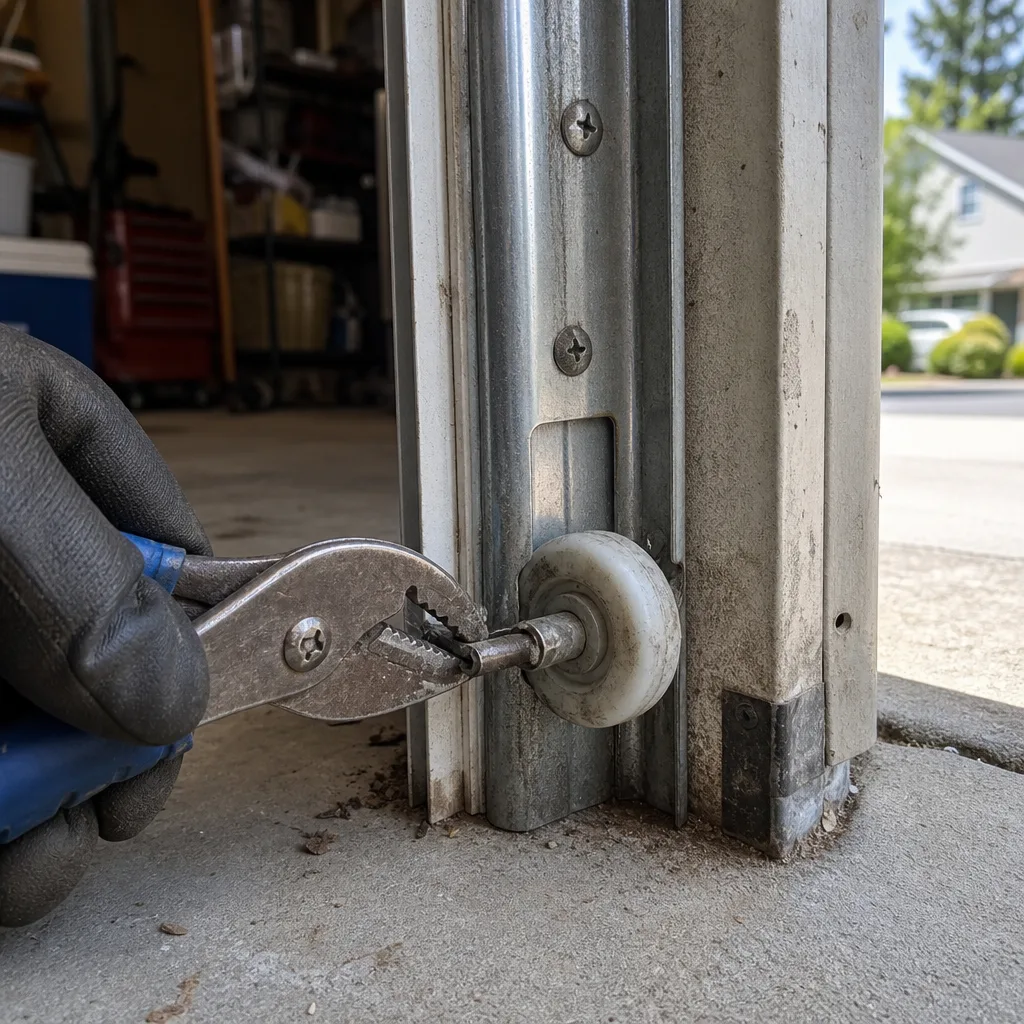
| Hardware kit (hinges, rollers, brackets, fasteners) | $85 | $140 | $220 | 14-gauge commercial-grade at upper end; nylon vs. steel rollers |
| Bottom seal and retainer | $45 | $75 | $120 | EPDM rubber for Olympia’s UV and moisture exposure |
| Opener, chain-drive, 1/2 HP | $220 | $280 | $340 | Entry level; louder; shorter lifespan |
| Opener, belt-drive, 3/4 HP | $340 | $420 | $520 | LiftMaster or Chamberlain mid-tier; quieter; battery backup |
| Opener, wall-mount (jackshaft), 3/4 HP | $520 | $680 | $850 | Side-mount; frees ceiling space; requires torsion spring system |
| Installation labor, single-car replacement | $320 | $420 | $580 | Standard conditions; 3-4 hour job |
| Installation labor, double-car replacement | $420 | $580 | $780 | Complex conditions (steep grade, tight access) at upper end |
| Opener installation labor | $180 | $240 | $320 | Includes programming remotes, safety eye alignment |
| Opener circuit run (new electrical) | $180 | $280 | $420 | Licensed electrician required; permit may apply |
| Haul-away and disposal, old door | $85 | $120 | $180 | Thurston County transfer station fees included |
| Permit, Thurston County (when required) | $85 | $120 | $180 | Structural modification or new electrical; see permit section |
These are material and labor costs before markup and overhead. A contractor’s final price will include 20-35% gross margin to cover vehicles, insurance, tools, phone coverage, and warranty reserve. That is standard and legitimate. What matters is whether the line items are disclosed.
What Separates a $900 Door from a $2,500 Door
At the low end of our table sits a 24-gauge, non-insulated, single-layer steel door with extension springs, basic hardware, and no opener. At the high end sits a 24-gauge, polyurethane-insulated, double-steel sandwich with thermal break, heavy-duty 14-gauge hardware, torsion spring system, and belt-drive opener with battery backup. The visible difference is modest. The performance difference is substantial, especially in Olympia’s climate.
Steel gauge: The lower the gauge number, the thicker the steel. A 24-gauge face is approximately 0.0239 inches thick; 25-gauge is 0.0209 inches. That 0.003-inch difference matters when a basketball hits the panel or wind loads the surface. In our experience, 24-gauge doors in Olympia’s marine climate resist denting and corrosion noticeably better than 25-gauge, particularly on west-facing garages.
Insulation core: Polystyrene is extruded foam board glued between steel skins. Polyurethane is injected as a liquid that expands and bonds to the steel, creating a more rigid panel with better thermal performance. For garages beneath living space or used as workshops, the R-value difference (typically 6.5 vs. 16) translates to measurable energy savings. We’ve measured garage temperature swings of 15-20 degrees between the two types on identical south-facing homes in the Wildwood neighborhood.
Wind-load rating: Standard residential doors are rated to 20 psf (pounds per square foot). Wind-rated doors reach 35 psf or higher with reinforced struts, heavier track, and additional hinges. Thurston County does not require wind ratings by code, but we recommend them for exposed sites. A customer on Cooper Point Road had a standard door bow visibly inward during a January 2024 wind event; the replacement with 35-psf rating has held steady through two similar storms.
Hardware grade: The difference between 18-gauge and 14-gauge hinges, or between nylon and steel rollers with sealed bearings, shows up in cycle life. A standard hinge might last 10,000 cycles; a heavy-duty hinge, 50,000. At four cycles per day, that’s 7 years versus 34 years. For a homeowner planning to stay put, the upgrade pays for itself.
Finish quality: Higher-tier doors from Clopay and Amarr use multi-layer baked-on polyester or fluoropolymer coatings that resist UV degradation. Olympia’s combination of strong winter sun reflection off wet surfaces and summer UV exposure fades and chalks cheap finishes within 5-7 years. Premium finishes hold color for 15+ years.
Labor Variables That Change the Price
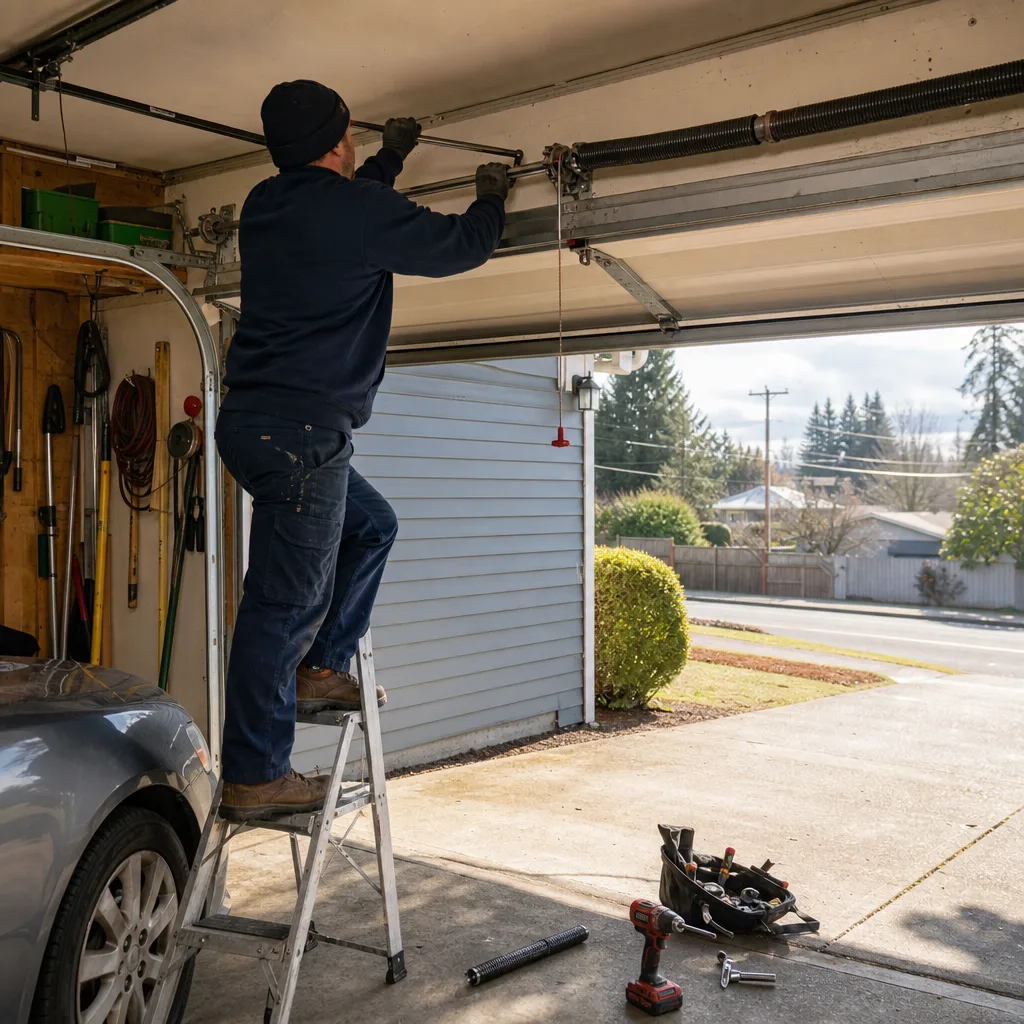
Material costs are visible. Labor variations are where quotes diverge silently. These are the site conditions we document with photographs before quoting, per Clause 4 of The Haven Standard.
Header clearance for torsion bar: A standard torsion spring system needs 12 inches of headroom above the door opening. Many Olympia garages built before 1990 have 8-10 inches, requiring a low-headroom track system or a rear-mount spring configuration. Either adds $180-$340 in parts and 1-2 hours in labor. We see this frequently in the Garfield and Eastside neighborhoods.
Floor levelness: Garage floors settle. A slope of more than 1/2 inch across the door width prevents a proper bottom seal. Correction requires either grinding a channel, installing a custom tapered seal, or in severe cases, mud-jacking the slab. We encountered a 1-3/4 inch differential on a 1987 home near Yauger Park that required slab grinding before the door would seal.
Existing track removal: Rust-welded track, stripped lag bolts in rotted wood framing, or track embedded in finished drywall all extend removal time. One job in the Carlyon neighborhood required cutting track into sections because the original installer had used concrete wedge anchors that stripped on extraction.
Wiring runs for new opener circuits: Modern openers require a dedicated 120V outlet within 6 feet of the motor unit. Older garages often have a single overhead light socket on a shared circuit. Running new Romex, adding a junction box, and securing permit-compliant installation adds electrician time. We coordinate this directly; some contractors sub it out and mark it up separately.
Disposal access: A standard 16×7 door in four panels fits in our trailer. A solid wood carriage door from a 1920s home does not. Restricted driveway access, steep grades, or distance to the transfer station affect haul-away pricing. Thurston County’s Waste and Recovery Center on Hogum Bay Road charges by weight for metal disposal; we include this in our flat price.
Permits, Inspections, and Timelines in Thurston County
Garage Door Permits, Codes & Inspections in WA: What You Need to Know explains why permit requirements for garage door work in Olympia confuse homeowners: they vary by scope, not by door type. Here’s what actually triggers a permit in Thurston County as of 2025:
- No permit required: Straight replacement of an existing door on existing track, with no structural modification and no electrical work. This covers perhaps 60% of residential replacements.
- Building permit required ($85-$180): Structural modification to the opening, header replacement, or conversion from extension to torsion springs when the header bracket requires new fastening into engineered lumber. The Thurston County Building Development Center reviews these with a 3-5 business day turnaround for simple residential projects.
- Electrical permit required ($65-$120): New circuit installation for an opener, or replacement of ungrounded wiring. This requires a licensed electrician and inspection scheduling.
- Combined permit: Projects requiring both structural and electrical work. Timeline extends to 7-10 business days for review, plus inspection scheduling.
Inspection scheduling in Olympia typically adds 2-5 business days to project completion. Thurston County inspectors cover a wide geographic area; morning slots book faster. We schedule inspections as part of our project management when permits are required, and we include permit fees in our written flat price.
One note: some unpermitted work, particularly header modifications, can complicate future home sales. Disclosure requirements in Washington mean that structural work without permit documentation may need to be remediated for closing. We advise permit compliance for any project involving the garage header or electrical panel.
How to Read a Quote for Omissions
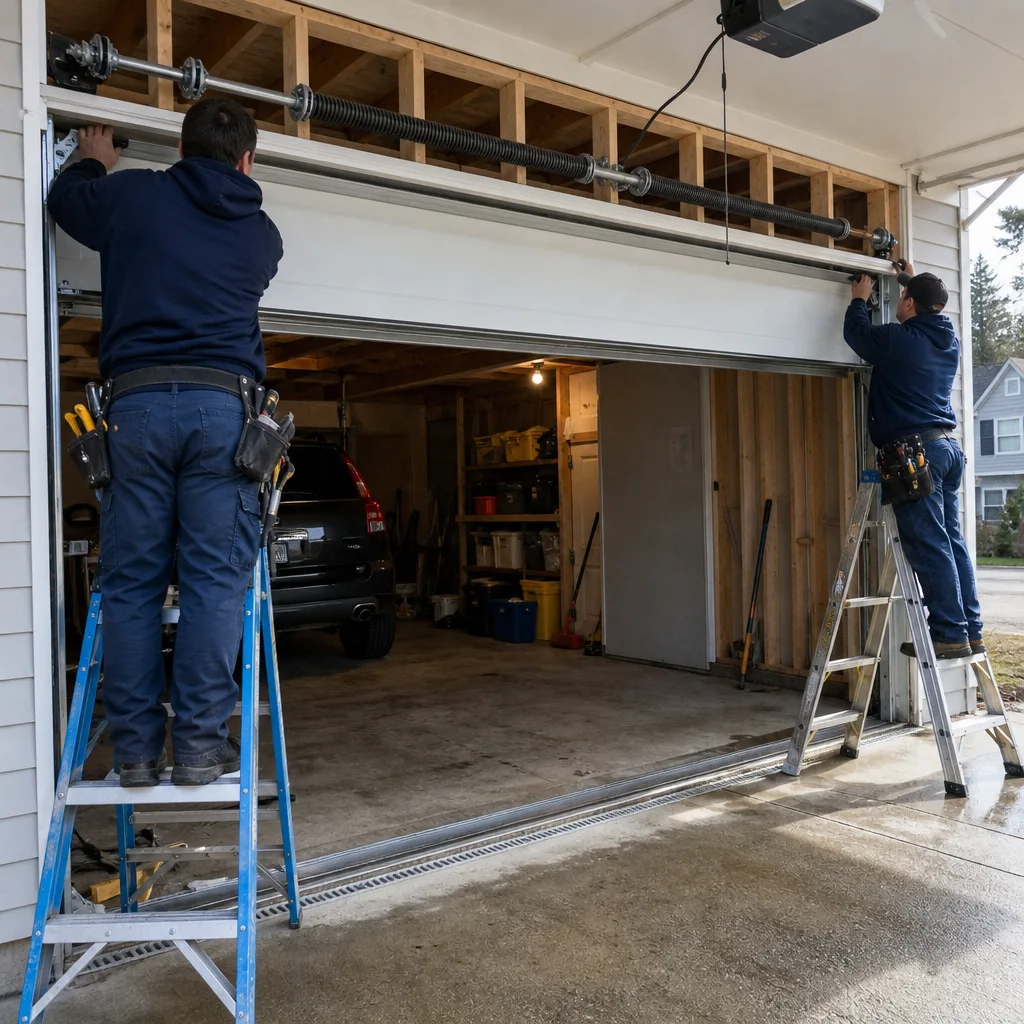
This is where homeowners save or lose money. A low quote with missing line items is not a bargain; it’s a scope gap that becomes a change order.
Every garage door replacement quote should contain these minimum line items:
- Door panel: manufacturer, model, size, gauge, insulation type, R-value, finish color
- Spring system: type (torsion or extension), wire size, cycle life rating
- Track: dimensions, lift type (standard, low-headroom, high-lift)
- Hardware: hinge gauge, roller type, bracket specifications
- Opener (if included): brand, model, drive type, horsepower, features
- Installation labor: hours or flat rate, crew size
- Disposal: haul-away and transfer station fees
- Warranty: duration and coverage for door, hardware, labor
Missing lines that should trigger questions:
- No spring specification: “Includes springs” is insufficient. Torsion springs should list wire diameter, inside diameter, and length. Without this, you cannot verify cycle life or compare quotes.
- No track mention: Reusing old track on a new door voids most manufacturer warranties and creates alignment problems. Track should be specified as new.
- Opener quoted without electrical: If your garage lacks a dedicated outlet, the opener cannot be installed without additional work. A quote that omits this assumes you’ll handle it separately.
- No disposal line: Someone pays for haul-away. If it’s not on the quote, ask whether it’s included or whether you’re expected to dispose of the door yourself.
- Vague warranty language: “Lifetime warranty” on what component, against what failure mode, with what service response? We specify our 365-Day Done Right Promise in writing, with reference to The Haven Standard terms page.
At Garage Door Installation in Olympia, our quotes run 8-12 lines and take 10 minutes to review with the customer. Clause 1 requires that written price and scope before any work starts. If a contractor cannot produce this, the comparison is not between prices; it’s between documented and undocumented risk.
Opener Costs and Compatibility
The opener is often an afterthought in door replacement, but it represents 15-25% of total project cost and determines daily usability. Our 18,000+ jobs since 2015 have taught us that opener satisfaction correlates more with drive type and installation precision than with horsepower.
Chain-drive openers ($220-$340 unit cost) use a metal chain on a sprocket. They’re durable and inexpensive but loud. Suitable for detached garages or budget-focused projects. Chamberlain and Genie both offer reliable chain-drive units; we install fewer of these each year as belt-drive prices have compressed.
Belt-drive openers ($340-$520 unit cost) replace the chain with a reinforced belt. The noise reduction is significant, particularly for garages beneath bedrooms. LiftMaster’s 87504-267 and Chamberlain’s B6753T are our most-installed units in Olympia’s newer neighborhoods like Jubilee and Meridian. Both include battery backup (required by California law and increasingly expected here), WiFi connectivity, and integrated camera options.
Wall-mount (jackshaft) openers ($520-$850 unit cost) attach to the torsion bar beside the door, eliminating the ceiling-mounted rail. This frees overhead space for storage or high-lift vehicles, and they’re exceptionally quiet. However, they require a torsion spring system and adequate side-room clearance. We recommend them for garages with finished ceilings or where the rail would obstruct lighting. LiftMaster’s 8500W is the established standard; Genie’s 6072H offers competitive features at lower cost.
Compatibility considerations: Not all openers work with all door weights and heights. A 1/2 HP unit is adequate for a single-car steel door up to 8 feet tall. A double-car insulated door, or any door over 8 feet tall, needs 3/4 HP minimum. Solid wood or faux-wood overlay doors may need 1 HP and heavy-duty rail reinforcement. We calculate door weight based on panel specifications and specify opener capacity accordingly.
Smart home integration is increasingly relevant. MyQ (LiftMaster/Chamberlain), Aladdin Connect (Genie), and proprietary apps allow remote operation and monitoring. We demonstrate app setup before leaving every job, and we document the serial number and WiFi pairing for customer records.
When Repair Makes Sense vs. Full Replacement
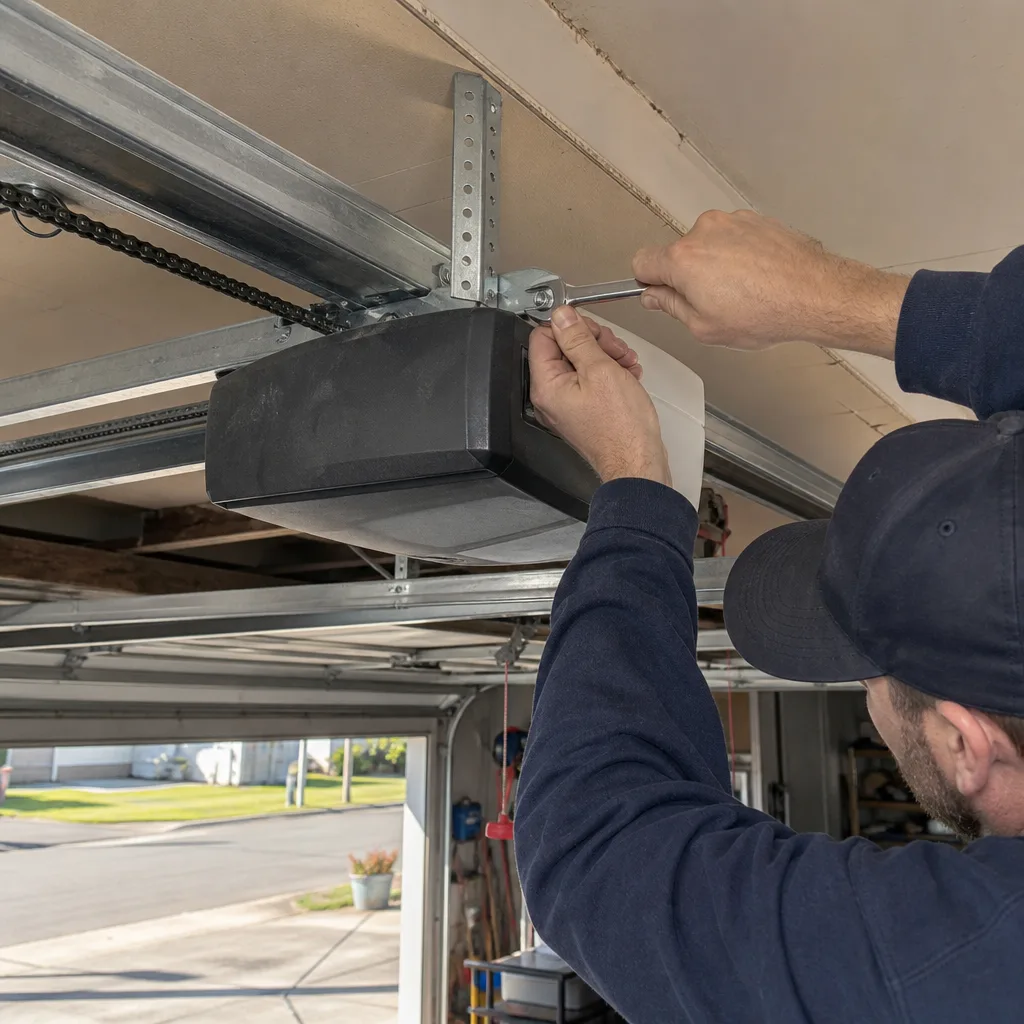
Not every failing door needs replacement. The decision matrix depends on component condition, door age, and the cost of repeated repairs versus one replacement; consult our Garage Door Warning Signs: A Olympia Homeowner’s Reference Guide to assess whether repair or replacement makes sense.
Repair is typically justified when:
- The door is under 15 years old and the panel is structurally sound
- Failure is isolated to one component: a broken torsion spring, frayed cable, worn roller, or failed opener
- The track is properly aligned and free of damage
- Previous repairs have been minimal
Typical repair costs in Olympia:
- Torsion spring replacement (single-car): $180-$260
- Torsion spring replacement (double-car): $240-$340
- Cable replacement (pair): $140-$220
- Opener repair (logic board, trolley, limit switch): $180-$340
- Roller replacement (full set, 10-12 rollers): $160-$260
- Track alignment and hardware tightening: $120-$180
Replacement is typically justified when:
- The door is over 20 years old and multiple components show wear
- Panels are rusted, dented, or delaminated
- Previous repairs exceed 40% of replacement cost within a 2-year period
- The homeowner wants insulation, smart opener features, or aesthetic upgrade
- The existing door is non-standard size and parts are obsolete
We document this decision with photographs, per Clause 4. A customer in the Boston Harbor area had a 22-year-old door with rusted lower panels, a seized torsion spring, and bent track from a vehicle impact. Repair estimate: $680. Replacement with mid-tier insulated door: $1,890. The repair would have addressed immediate failure but left deteriorating panels and outdated opener. The customer chose replacement; we provided the photo record showing why.
For repair work, see our Garage Door Repair in Olympia page for detailed diagnostics and pricing. For opener-specific issues, our Garage Door Opener Repair & Installation in Olympia page covers logic board failures, safety eye misalignment, and upgrade paths.
Common Mistakes to Avoid
- Comparing quotes without matching scopes: The $1,200 and $2,000 quotes we opened with were both for “16×7 door replacement.” One included torsion conversion, insulated panel, and opener. The other did not. Line-item comparison is the only valid comparison.
- Ignoring steel gauge in favor of style: A beautiful carriage-house overlay on 25-gauge steel will dent when a bicycle tips into it. Gauge matters more than embossing pattern for long-term satisfaction.
- Assuming all insulation is equal: “Insulated” on a quote without R-value or core type specified could mean 1/4-inch polystyrene (R-3) or 2-inch polyurethane (R-16). Ask for specifics.
- Skipping the opener electrical check: We’ve arrived at jobs where the customer purchased a premium opener but lacked a grounded outlet within reach. The electrical fix added $280 and a permit delay.
- Accepting verbal warranties: “Lifetime” means nothing without written terms. Our 365-Day Done Right Promise references a specific terms page; any warranty should be similarly documented.
- Neglecting bottom seal condition in wet climates: Olympia’s rainfall and occasional garage flooding destroy untreated rubber seals. EPDM or vinyl with UV stabilizers cost 30% more but last 3x longer.
- DIY spring replacement: Torsion springs store lethal energy. A standard 2-car door spring holds enough force to cause serious injury or death if released improperly. We do not provide DIY spring instructions; we provide same-day professional replacement with documented safety procedures.
When to Call a Professional
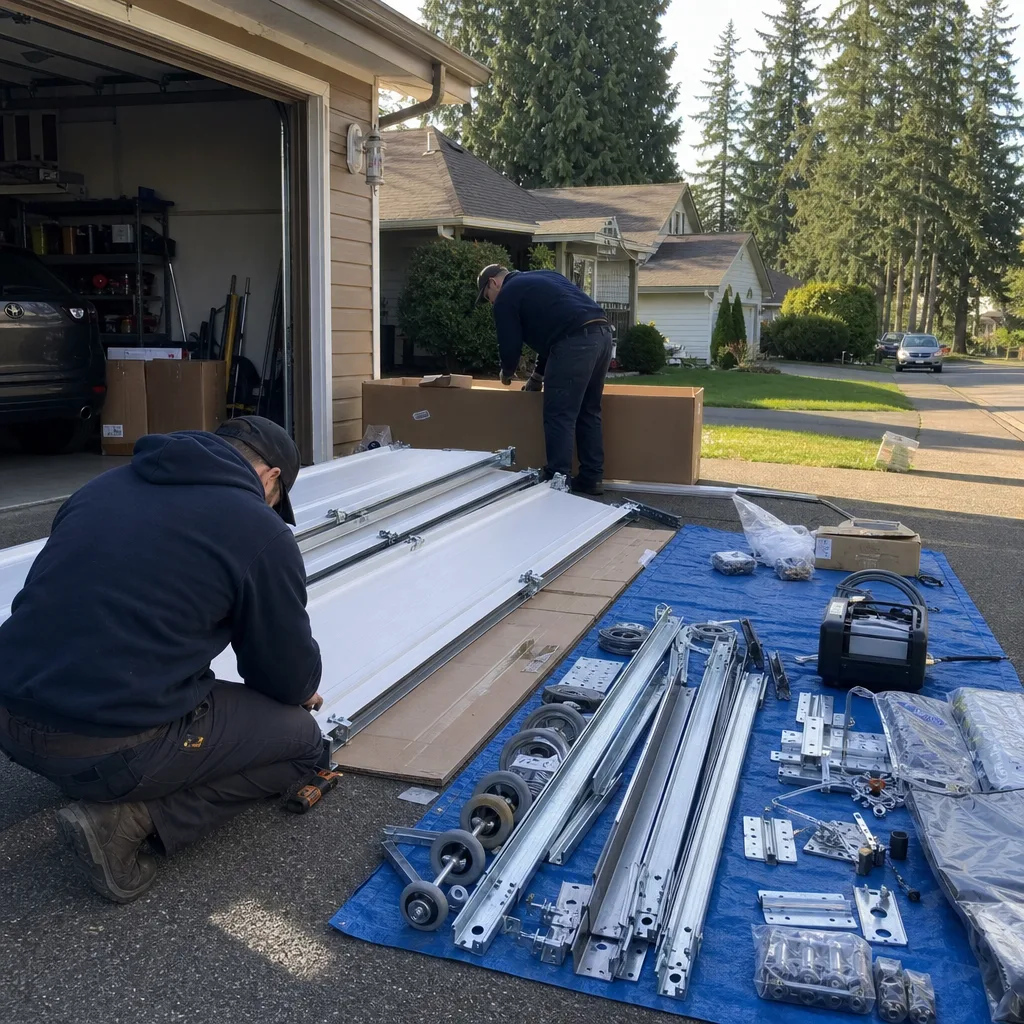
Call when the door won’t open, opens unevenly, makes grinding or popping sounds, reverses unexpectedly, or shows visible damage to springs, cables, or panels. These symptoms indicate component failure that will worsen with use. Continuing to operate a door with a broken spring strains the opener and risks cable snap, which can damage the door or cause injury.
For new installation or replacement, call when you’re ready to compare documented quotes. Bring measurements of your opening (width, height, and headroom), photos of your existing door and track, and any previous quotes you’ve received. Our Free Second Opinion applies to any competing written estimate; no coupon or code is required.
Servo Garage Doors Olympia offers free estimates in Olympia, with more guides & resources available on our blog. Every estimate includes a written scope, line-item pricing, and the documented photo record that Clause 4 requires. Call (360) 995-1547 to schedule.
Frequently Asked Questions
Most complete garage door replacements in Olympia range from $1,200 to $3,800, with basic single-car steel doors starting near $900 and premium double-car insulated installations with wall-mount openers reaching $4,500 or more. The exact price depends on steel gauge, insulation type, hardware grade, opener selection, and site-specific labor conditions. Call (360) 995-1547 for an exact quote - estimates are free.
Contractors bundle differently. One quote might include a 24-gauge non-insulated door with extension springs and reused track. Another might include 25-gauge polyurethane insulation, torsion spring conversion, new heavy-duty track, and a belt-drive opener. Without line-item quotes, the homeowner cannot see what’s included or omitted. Always request itemized scope documentation.
Straight replacement of an existing door on existing track requires no permit in Thurston County. Structural modifications, header work, or new electrical circuits do require permits, with fees ranging from $65 to $180 and review timelines of 3-10 business days. We include permit costs and scheduling in our flat price when required.
At Servo Garage Doors Olympia, the price quoted is the price charged. Clause 1 of The Haven Standard requires a flat, written price and written scope before any work starts. We document site conditions with photographs during estimation to prevent surprises. If hidden conditions emerge during work, we stop, photograph, and obtain written approval before proceeding.
Standard single-car replacement under normal conditions takes 3-4 hours. Double-car replacement takes 4-6 hours. Projects requiring torsion spring conversion, low-headroom track, electrical work, or permit inspection add time. We schedule installations with confirmed appointments, not callback windows, and we text when the technician is on the way.
Repair makes sense for isolated failures on doors under 15 years old with sound panels and minimal previous work. Replacement makes sense when multiple components show wear, panels are deteriorated, repair costs exceed 40% of replacement value, or you want upgraded features. We provide photo-documented assessments to support either decision. Call (360) 995-1547 for a free evaluation.
The Bottom Line
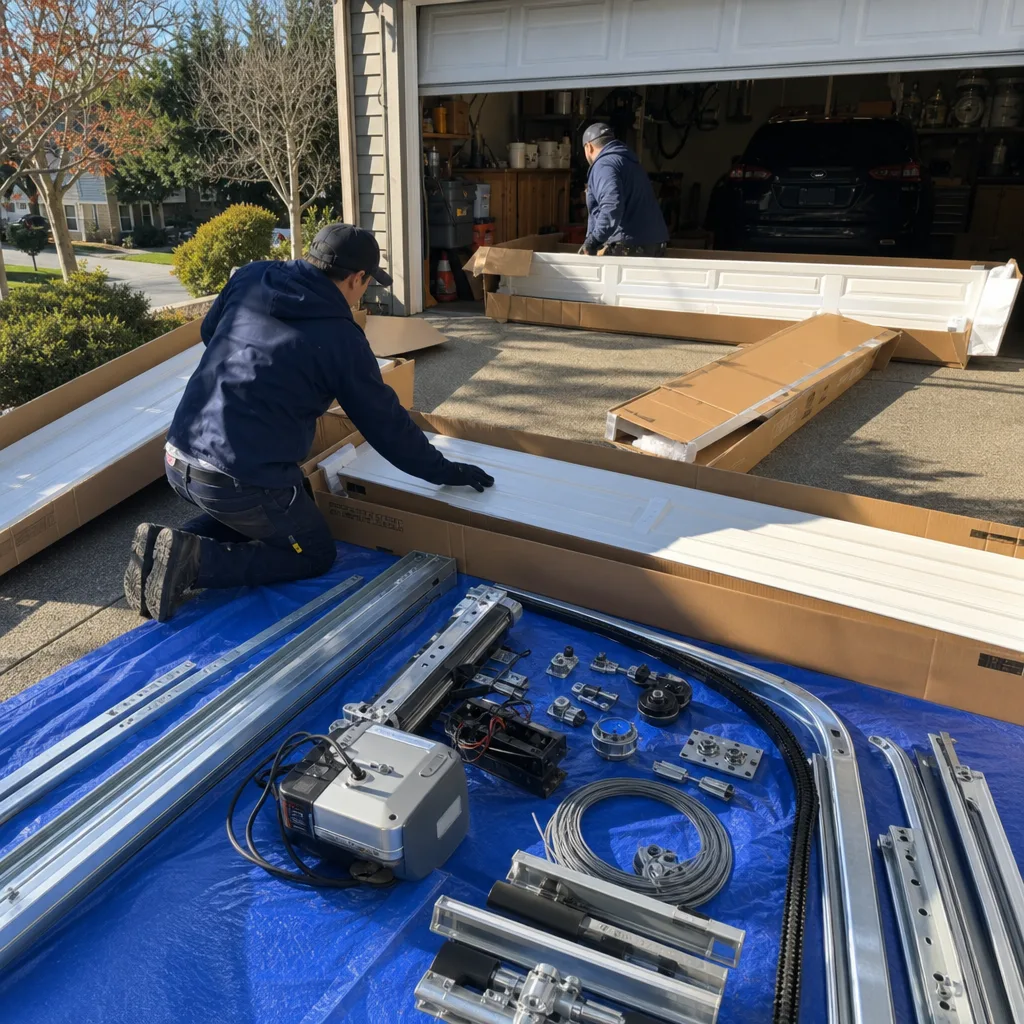
Garage door pricing in Olympia is not mysterious; it is unitemized. The $900 door and the $2,500 door are different products with different performance characteristics, and the homeowner’s task is to match scope to need, then compare prices for identical scopes. Steel gauge, insulation core, hardware grade, opener type, and site-specific labor conditions are the five variables that determine final cost. Permits add modest cost and timeline when structural or electrical work is required. The quote itself is a diagnostic tool: missing line items reveal missing scope, and vague language reveals undocumented risk. Documented photo records, written flat prices, and clause-referenced warranties separate evidence-based contractors from urgency-based sales.
Written by Marcus Deller, Owner at Servo Garage Doors Olympia, serving Olympia since 2015.