
Last updated September 21, 2026
Full 25-point door and opener safety check with every visit - springs, cables, rollers, tracks, and your LiftMaster or Chamberlain opener included
You get a price before we start. It does not change when the truck arrives.
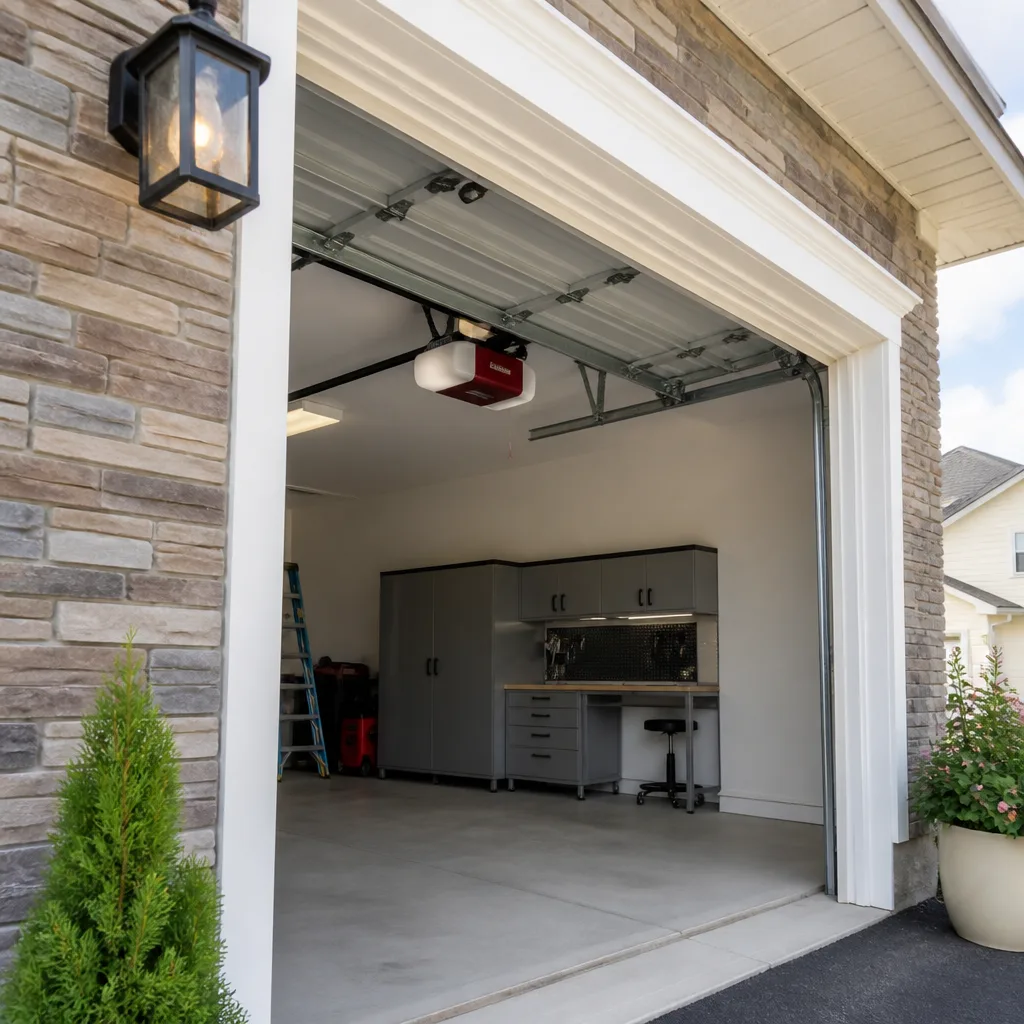
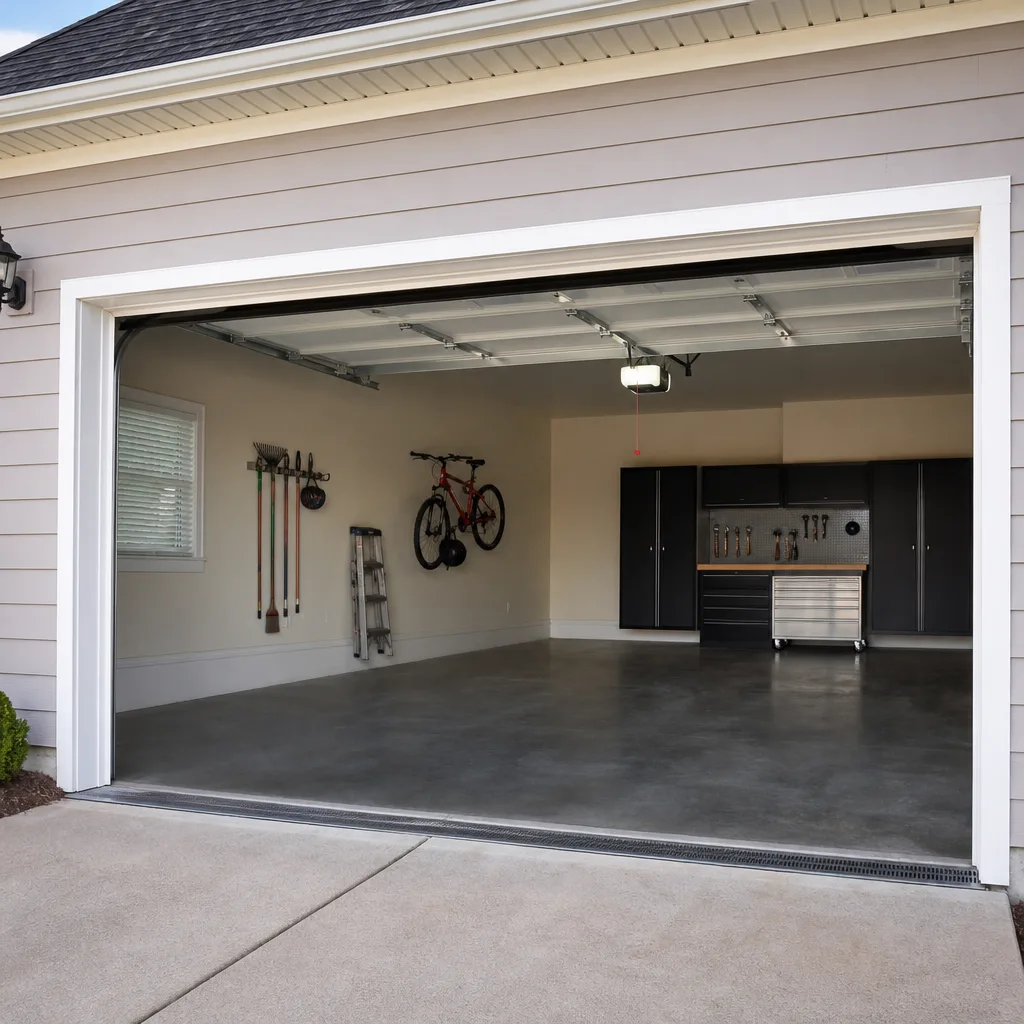
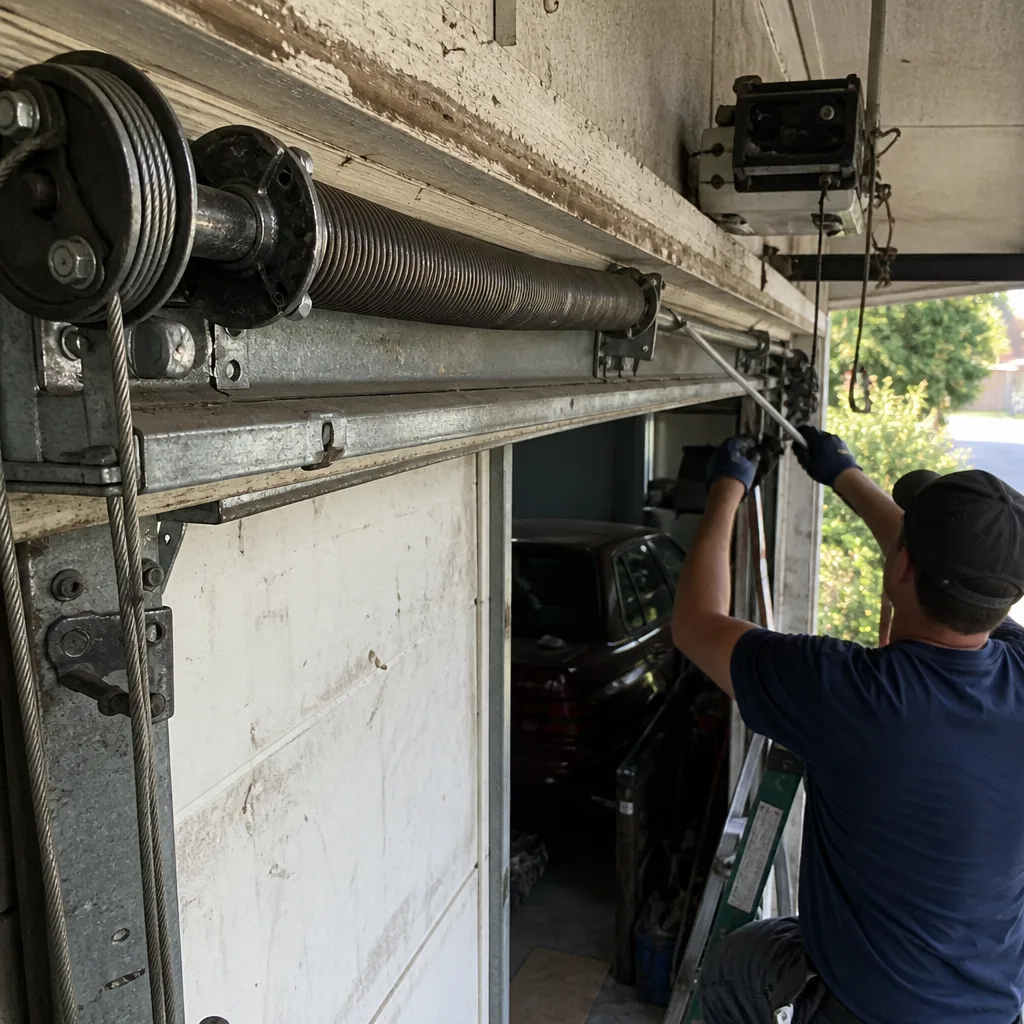 Before
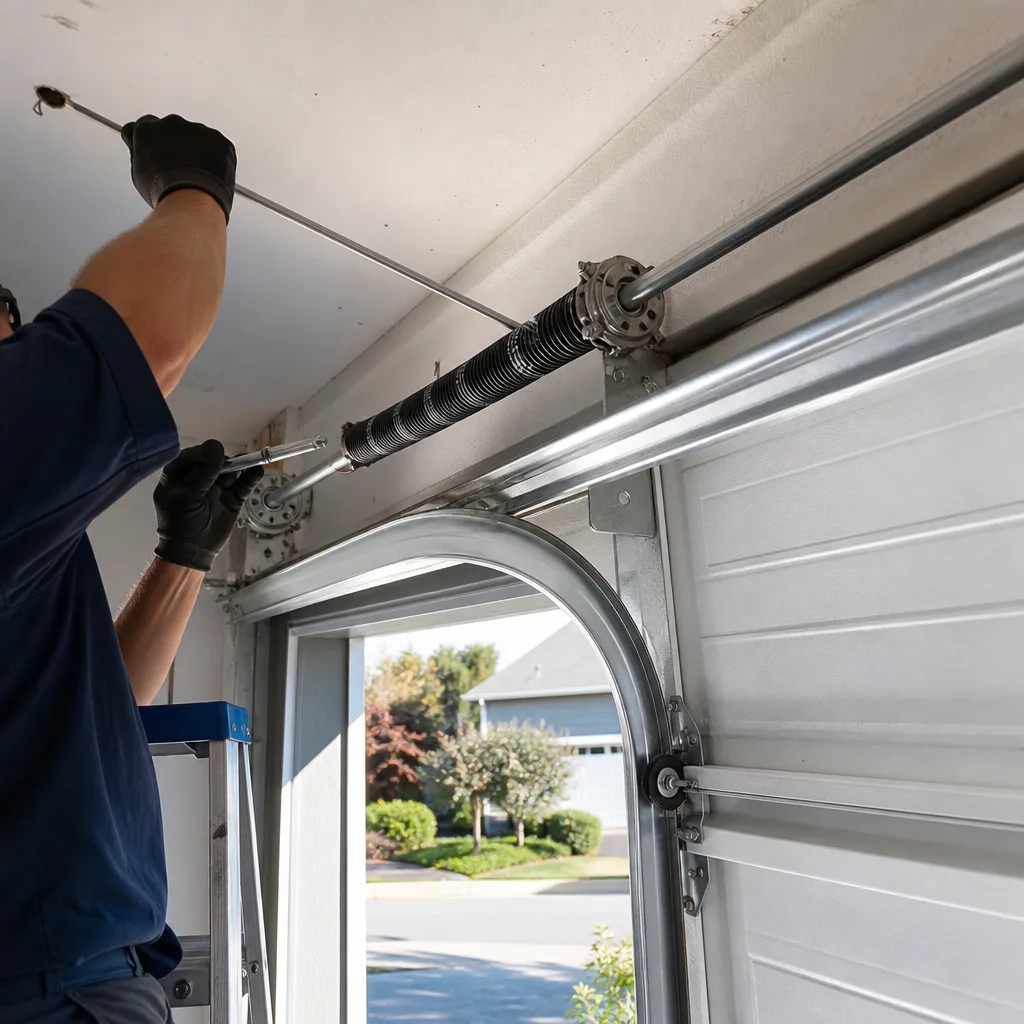 After
After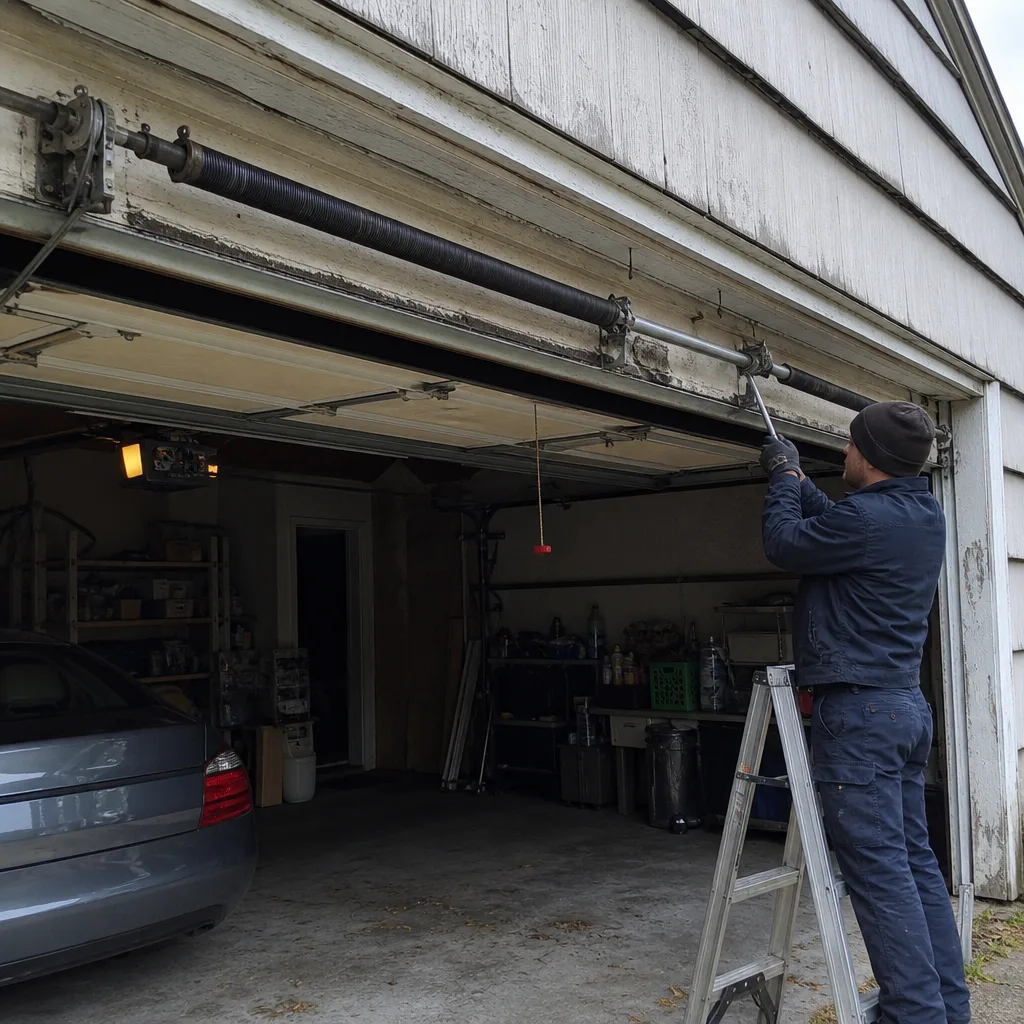 Before
 After
After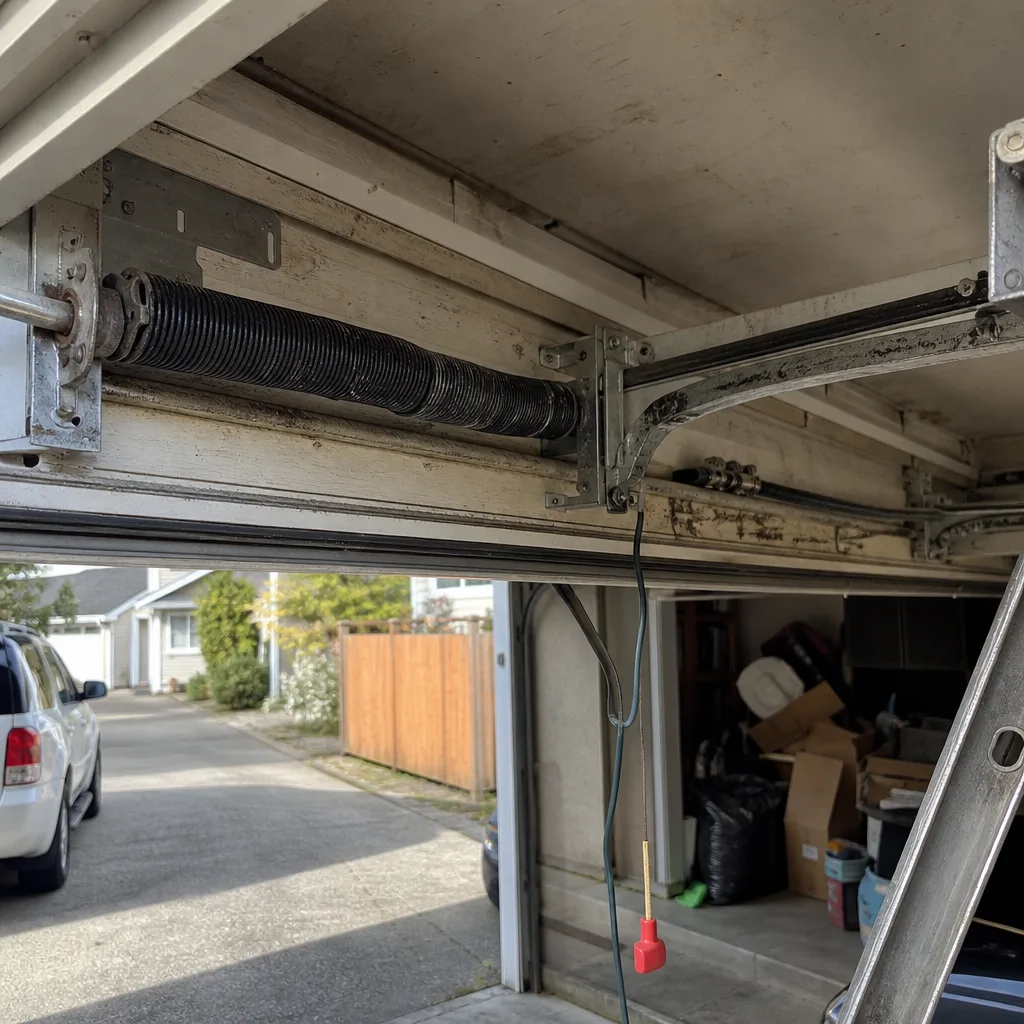 Before
 After
AfterThe Complete Guide to Garage Door in Olympia
The average Olympia homeowner replacing a garage door gets three quotes that differ by $800 and can’t explain why. None of the three contractors disclosed the same line items. In a marine climate that delivers 51 inches of rain annually, the wrong material choice or an unpermitted installation can cost thousands in preventable damage or red-tag delays. This guide names the local variables that generic guides skip - moisture degradation rates, Thurston County permit thresholds, R-value requirements against Washington State energy code, and the documentation that separates a documented decision from a salesperson’s decision - and points you to more guides & resources for related projects.
Quick Answer
A well-chosen garage door in Olympia requires steel or composite construction rated for marine-climate moisture, an R-value of 10-16 for attached garages to meet Washington State energy code, and a written quote with photographed findings before any work begins. Expect to pay $1,200-$3,800 for standard replacement, with permits required for structural changes but not for like-for-like door swaps in Thurston County.
Table of Contents
- How Olympia’s Marine Climate Affects Garage Door Materials
- Insulation and R-Value: What Olympia’s Code Actually Requires
- Permits and Inspections in Thurston County
- Garage Door Materials: Side-by-Side for Olympia Conditions
- Opener Types, Drive Systems, and Real Lifespans
- Torsion vs. Extension Springs: Failure Modes and Costs
- The Documentation Every Homeowner Should Demand
- Choosing a Contractor in Olympia: Red Flags and Green Lights
 Before
 After
AfterHow Olympia’s Marine Climate Affects Garage Door Materials
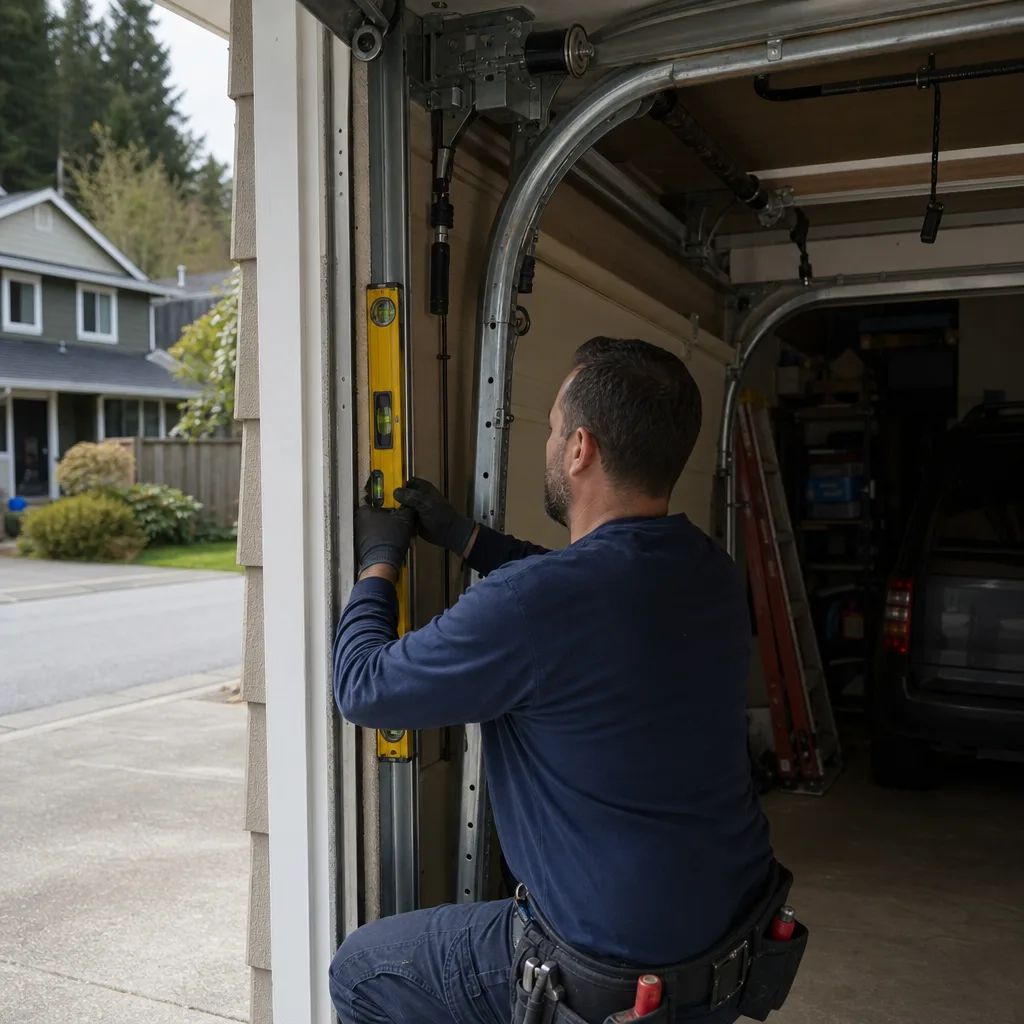
Olympia sits in the rain shadow of the Olympic Mountains, but “rain shadow” here still means 51 inches of annual precipitation, humidity that rarely drops below 60%, and winter temperatures that fluctuate above and below freezing for weeks at a stretch. These conditions accelerate corrosion, rot, and seal failure in ways that inland guides never address.
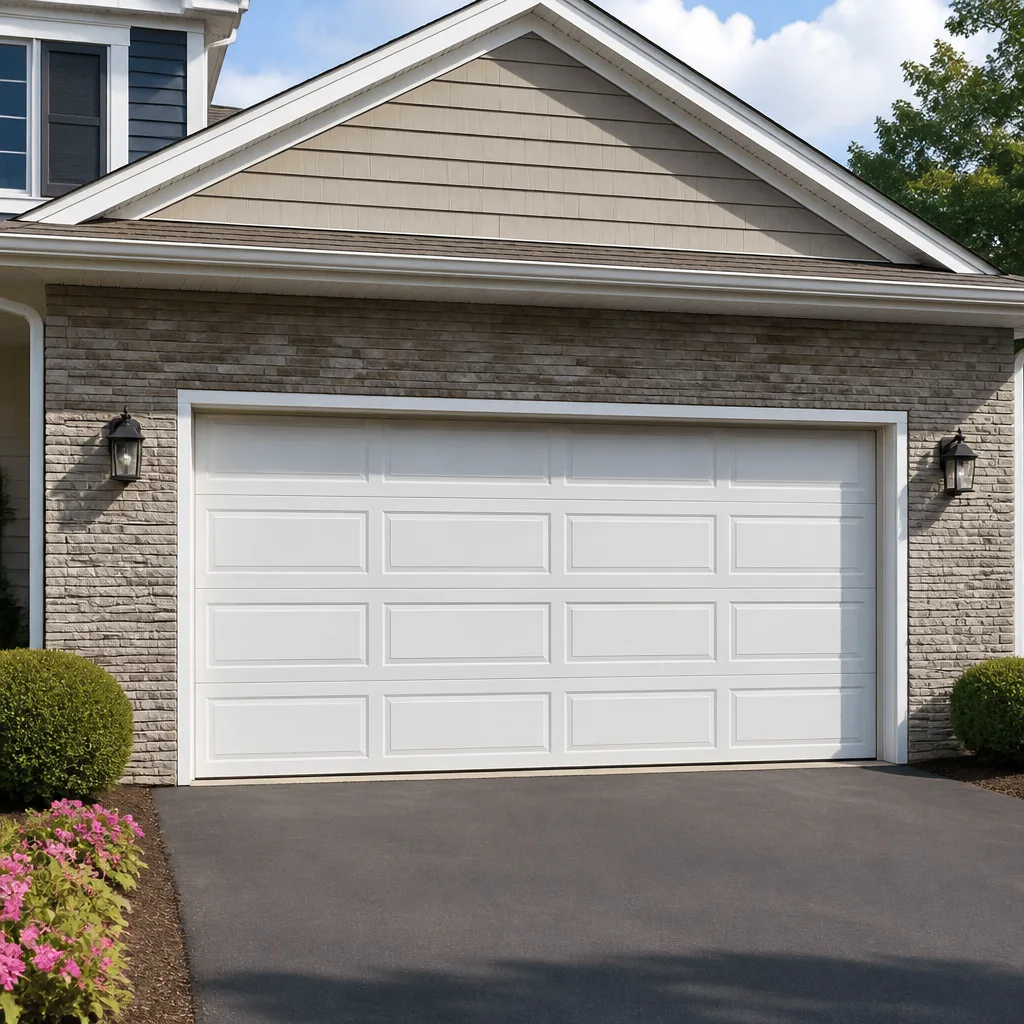
Steel doors dominate the Olympia market for good reason. Galvanized steel with a baked-on polyester or vinyl coating resists the constant moisture cycle better than raw aluminum or wood. But not all steel is equal. The 24-gauge or 25-gauge skins common in builder-grade doors will show surface rust at panel edges within 4-6 years in Olympia’s climate unless the factory finish is intact and the bottom seal is replaced promptly when it cracks. Higher-end 20-gauge or 22-gauge steel with a multi-layer coating system (primer, color coat, clear topcoat) typically holds 10-14 years before cosmetic touch-up is needed.
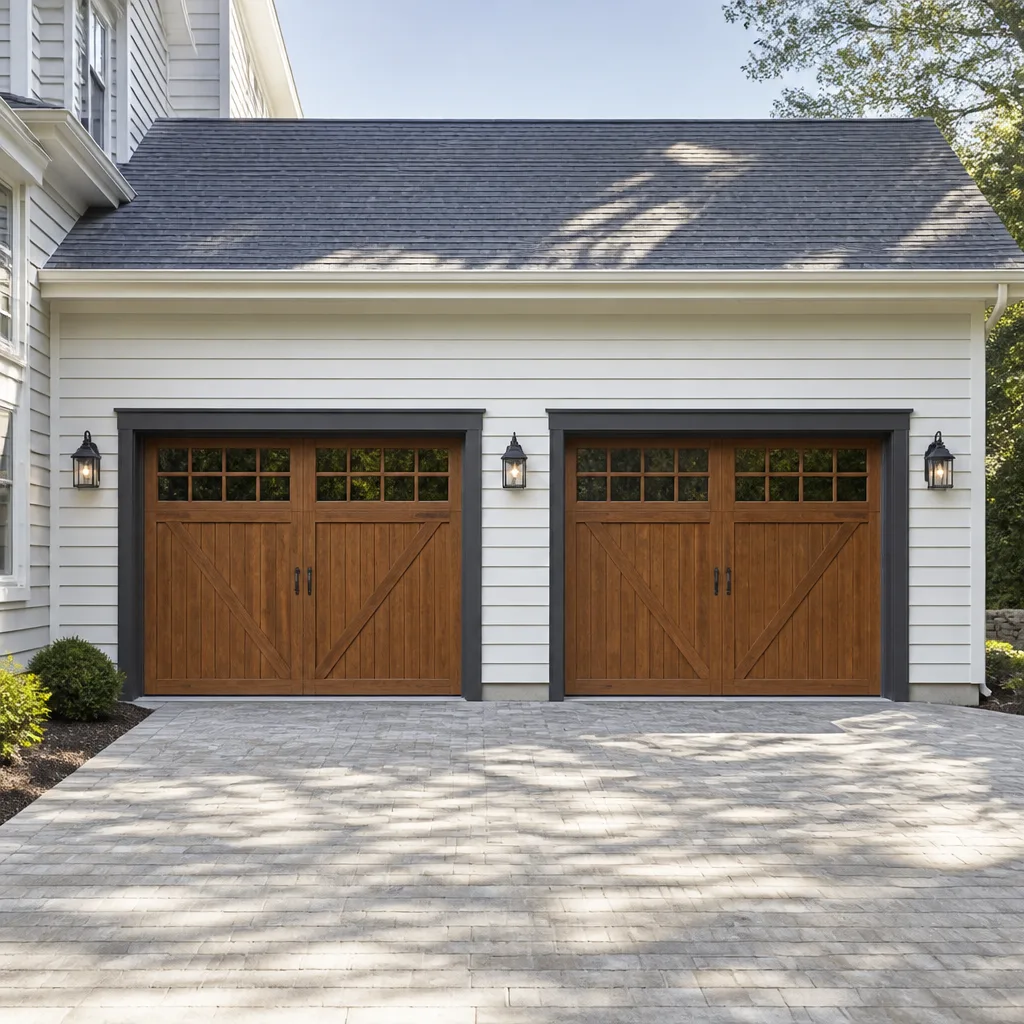
Wood doors, whether cedar, redwood, or engineered veneer, require restaining or repainting every 2-3 years in Olympia. The moisture load here is simply too high for a 5-year maintenance interval. We’ve seen solid-wood raised-panel doors on homes near Budd Inlet and East Bay develop delamination at the rail-and-stile joints in under 18 months when the homeowner skipped the first reseal. If you want the look of wood, composite or fiberglass-skinned doors with wood-grain embossing are the practical choice - they need only detergent cleaning and an annual inspection of the weatherstrip.
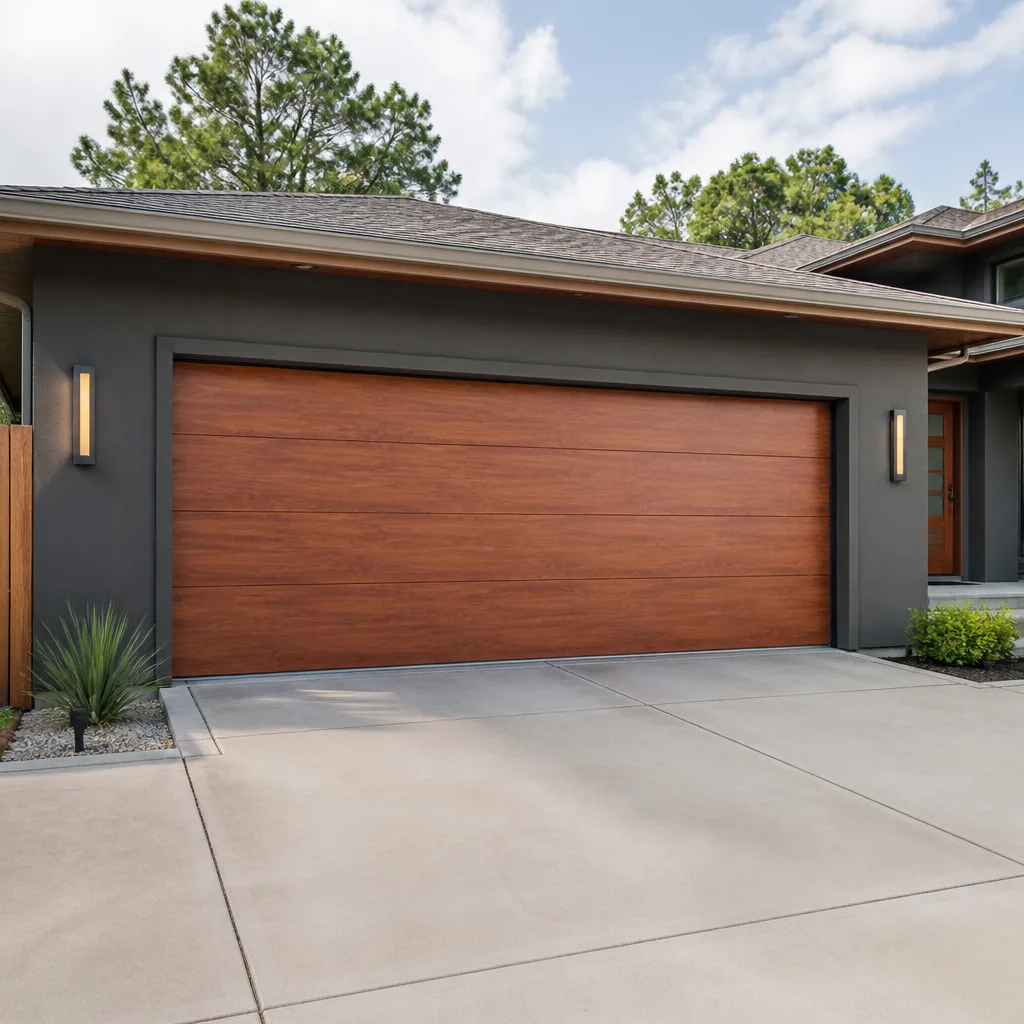
Composite and fiberglass perform best for longevity but carry a 20-35% price premium. In neighborhoods like Priest Point Park and Woodard Bay where wind-driven rain hits the door face directly, composite’s resistance to moisture absorption pays back within 8-10 years against the replacement cycle of a poorly maintained steel door.
Key maintenance intervals for Olympia:
- Steel doors: Inspect bottom seal and side weatherstrip annually; touch up scratches immediately to prevent rust bloom
- Wood doors: Restain or repaint every 2-3 years; check rail-and-stile joints every 6 months for separation
- Composite/fiberglass: Annual wash with mild detergent; inspect hardware and hinges for galvanic corrosion where dissimilar metals meet
Insulation and R-Value: What Olympia’s Code Actually Requires
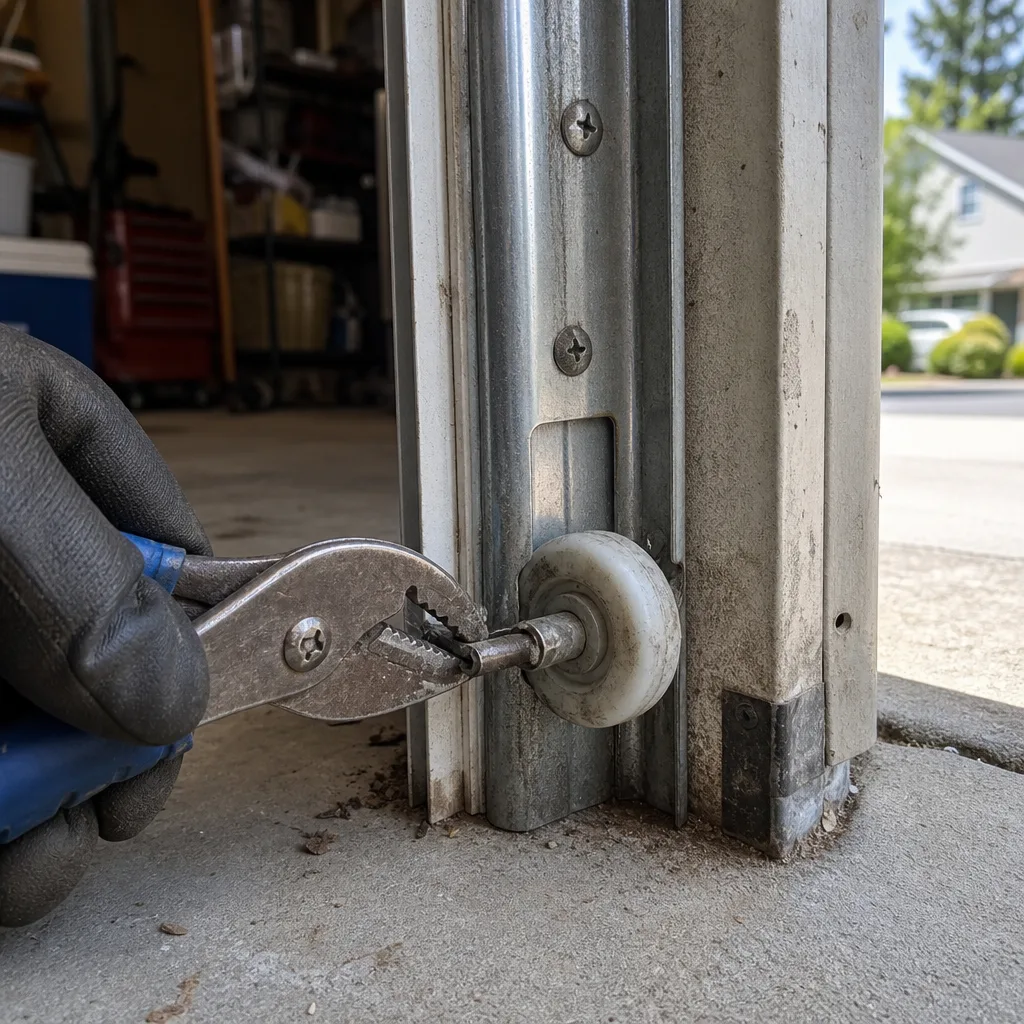
Washington State energy code, adopted by Thurston County, sets minimum thermal performance for garage doors based on whether the garage is attached to conditioned living space or stands alone. This distinction matters more in Olympia than in milder climates because heating-degree days here average 5,800 annually - a garage that leaks heat becomes a significant energy drain.
For attached garages with a conditioned room above or a shared wall with the house, the effective date of current code requires garage doors to meet a minimum R-value of 10. This applies to new construction and to replacement doors when the building permit triggers energy-code compliance review. In practice, this means a 2-inch or 1-3/8-inch polyurethane- or polystyrene-insulated steel door with thermal break construction. Uninsulated single-skin steel doors no longer pass inspection for attached garages in new construction.
For detached garages, the code is silent on garage door R-value. But the economics still favor insulation. A detached garage in Olympia used as a workshop, gym, or storage for temperature-sensitive items benefits from R-12 to R-16. The payback period depends on whether you heat the space; at $0.12 per kWh and 4 months of intermittent heating, an R-16 door typically pays back its $400-$600 premium in 6-8 years against an uninsulated alternative.
What R-value means in practice: The number describes the door panel’s resistance to heat flow. A polystyrene-insulated door (white beadboard you can see if you look inside the panel) typically achieves R-6 to R-10. Polyurethane foam, injected as a liquid that expands and adheres to the steel skins, achieves R-12 to R-18 in the same panel thickness because it fills gaps and adds structural rigidity. Polyurethane also deadens sound - noticeable if your bedroom shares a wall with the garage.
Brands we install regularly in Olympia include Clopay and Amarr, both of which publish third-party-tested R-values rather than calculated estimates. We recommend requesting the test report number if a contractor quotes an R-value that seems high for the panel thickness.
Permits and Inspections in Thurston County
Permit requirements for garage door work in Thurston County follow a clear threshold that most contractors never explain to homeowners. Understanding it - and reviewing Garage Door Permits, Codes & Inspections in WA: What You Need to Know - saves you from red-tag delays or, worse, an unpermitted installation that complicates a future sale.
No permit required: A like-for-like replacement of an existing garage door on the same tracks, with the same dimensions, and no structural modification to the opening or header. This covers the majority of repair and replacement jobs in Olympia. The work is still required to meet current code for safety devices (photo-eye sensors, auto-reverse function), but the homeowner or contractor does not pull a building permit.
Permit required: Any of the following triggers a building permit and inspection in Thurston County:
- Widening or heightening the door opening, which affects the structural header and lateral bracing
- Converting a window or wall section to a garage door opening
- Installing a door in a new garage or addition
- Modifying the garage’s fire separation from living space, which includes certain insulation and draft-stopping details
- Any work in a designated flood zone (relevant for properties near Capitol Lake, Budd Inlet, or the Deschutes River estuary)
Inspection timing: When a permit is required, Thurston County Building Development Center typically issues the permit within 3-5 business days for residential garage door work, with a single rough/final inspection scheduled after installation. The inspector verifies header sizing, fire-rated separation where required, and proper operation of safety devices. We’ve seen homeowners in the Briggs Village area delayed by two weeks when a contractor installed an oversized door without pulling the required permit - the county red-tagged the job and required engineered drawings for the modified header.
Contractor registration: Washington State requires all garage door contractors to carry a current contractor registration with the Department of Labor and Industries. The registration number must appear on all advertising and contracts. Servo Garage Doors Olympia’s registration is displayed on every written quote, per Clause 1 of The Haven Standard.
Garage Door Materials: Side-by-Side for Olympia Conditions
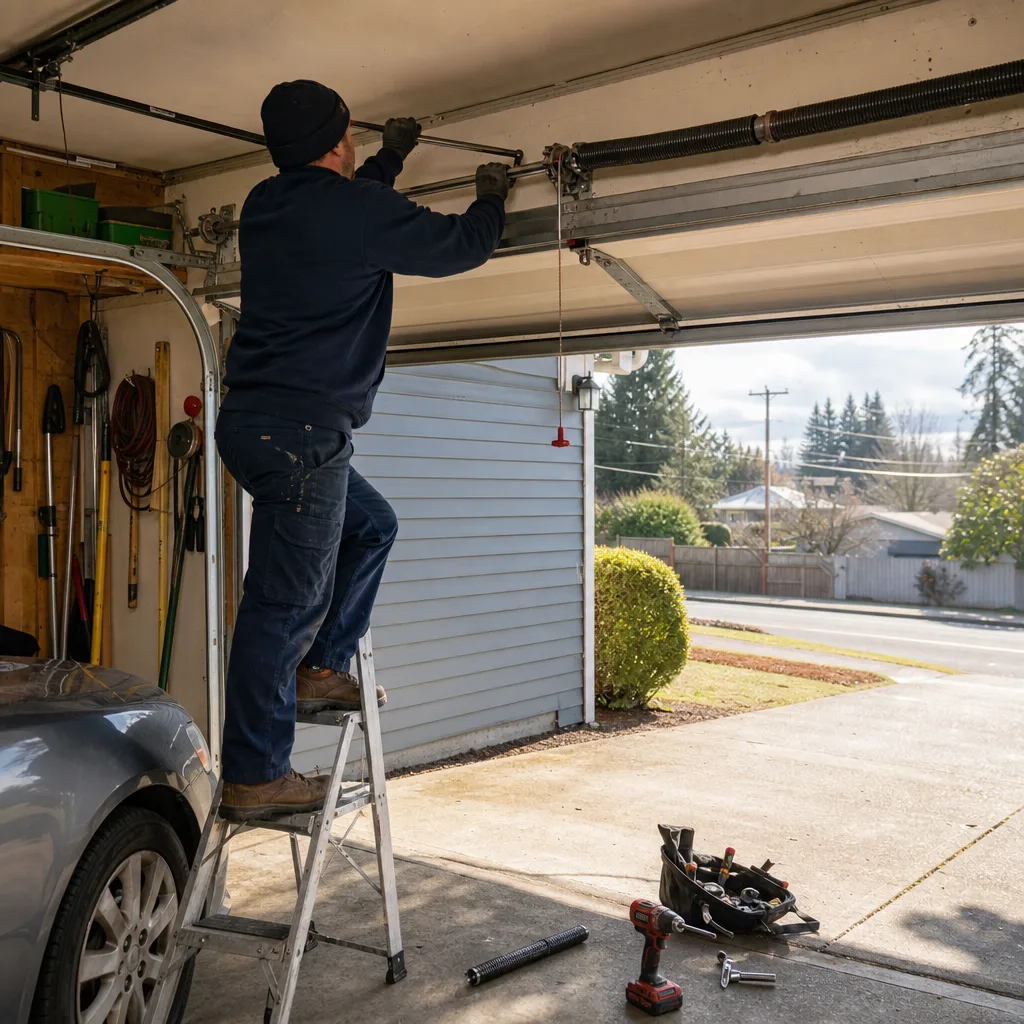
Choosing a garage door material in Olympia is a trade among first cost, maintenance burden, and replacement cycle - a decision covered in depth in our DIY vs Professional Garage Door: The Olympia Homeowner’s Decision Guide. We’ve installed and serviced doors in every Olympia neighborhood from Tumwater Hill to Boston Harbor, and the pattern is consistent: the cheapest door costs the most over 15 years if maintenance is skipped.
| Material | Installed Price Range (16×7) | Maintenance Interval | Expected Lifespan in Olympia | Best For |
|---|---|---|---|---|
| Uninsulated steel (25-ga) | $850-$1,400 | Annual seal inspection | 10-15 years | Detached, unheated garages; rental properties |
| Insulated steel (20-22 ga, polyurethane) | $1,400-$2,400 | Annual seal inspection; touch-up paint as needed | 18-25 years | Attached garages; most Olympia homes |
| Wood (cedar, redwood) | $2,200-$4,500 | Restain/repaint every 2-3 years | 15-20 years with faithful maintenance; 8-12 without | Historic districts; homeowners committed to maintenance |
| Composite/fiberglass | $2,600-$4,800 | Annual wash; hardware inspection | 20-30 years | Waterfront exposure; long-term ownership |
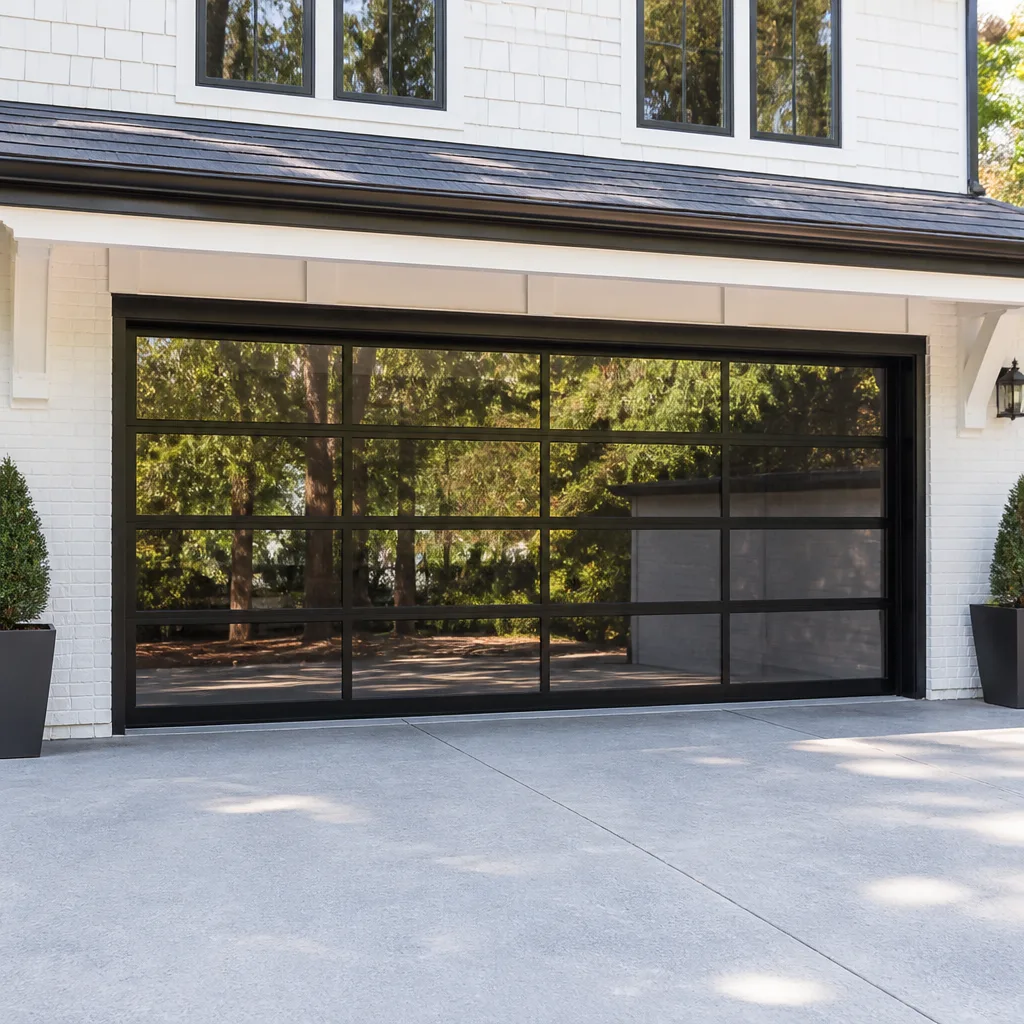
| Aluminum full-view | $2,800-$5,500 | Annual track and hardware inspection | 15-20 years | Contemporary architecture; limited insulation need |
The price ranges reflect standard 16-foot by 7-foot single-car or double-car openings in Olympia’s market as of 2024-2025. Custom sizes, carriage-house overlay designs, or specialty glass add 25-60%.
In the South Capitol and Governor Stevens neighborhoods, where homes date to the 1920s-1940s with detached garages set back from alleys, we regularly recommend insulated steel with a carriage-house panel design. The aesthetic matches the period architecture while the steel construction handles the moisture better than the original wood doors ever did.
Opener Types, Drive Systems, and Real Lifespans
The opener is the most frequently replaced component in an Olympia garage door system, yet it’s the least understood. Homeowners often replace a door and reuse a 15-year-old opener, then wonder why the new door performs poorly.
Chain drive remains the most common type in Olympia, found in roughly 60% of existing installations. A metal chain pulls the trolley carriage along a rail. It’s loud, reliable, and inexpensive - $150-$250 for the unit, plus installation. The chain stretches over 5-8 years and requires tension adjustment; the gear and sprocket assembly typically fails at 10-14 years in regular use. Replacement cost for the gear kit is $80-$140 in parts, or $280-$420 installed. For a garage detached from the house or over a basement, chain drive noise is less relevant.
Belt drive replaces the chain with a reinforced rubber belt. Noise drops by roughly 60%, making it the standard choice for attached garages with living space above or beside. Units run $220-$380; installed with rail and accessories, $450-$650. Belt life in Olympia’s climate is typically 12-16 years, though we’ve seen premature failure when the opener is oversized for the door weight and the belt takes excess strain.
Screw drive uses a threaded steel rod; the motor rotates the rod and a trolley nut travels along it. Genie has historically dominated this category. Screw drives require lubrication every 1-2 years with lithium grease - more frequently in Olympia’s moist air, where corrosion accelerates thread wear. They’re faster than chain or belt (opening speed of 10-12 inches per second versus 7-8), but the screw assembly wears and develops backlash. Lifespan is 10-15 years with maintenance, 7-10 without. Replacement screw assemblies run $120-$180.
Wall-mount (jackshaft) openers attach beside the door rather than overhead, freeing ceiling space. LiftMaster and Chamberlain lead this segment. They’re ideal for garages with high or obstructed ceilings - common in the converted barns and outbuildings we see near the Green Cove and Lilly Road areas. Price is $350-$550 for the unit, $600-$900 installed. They require a torsion spring system and a properly balanced door; an unbalanced door will overload the motor and void the warranty.
Smart features worth the cost: Battery backup (required by California law, not Washington, but valuable during Olympia’s windstorm outages), integrated camera for delivery verification, and MyQ or equivalent app control. We do not recommend add-on smart controllers that splice into older openers - they create warranty and liability issues when the door auto-reverses unpredictably.
Torsion vs. Extension Springs: Failure Modes and Costs
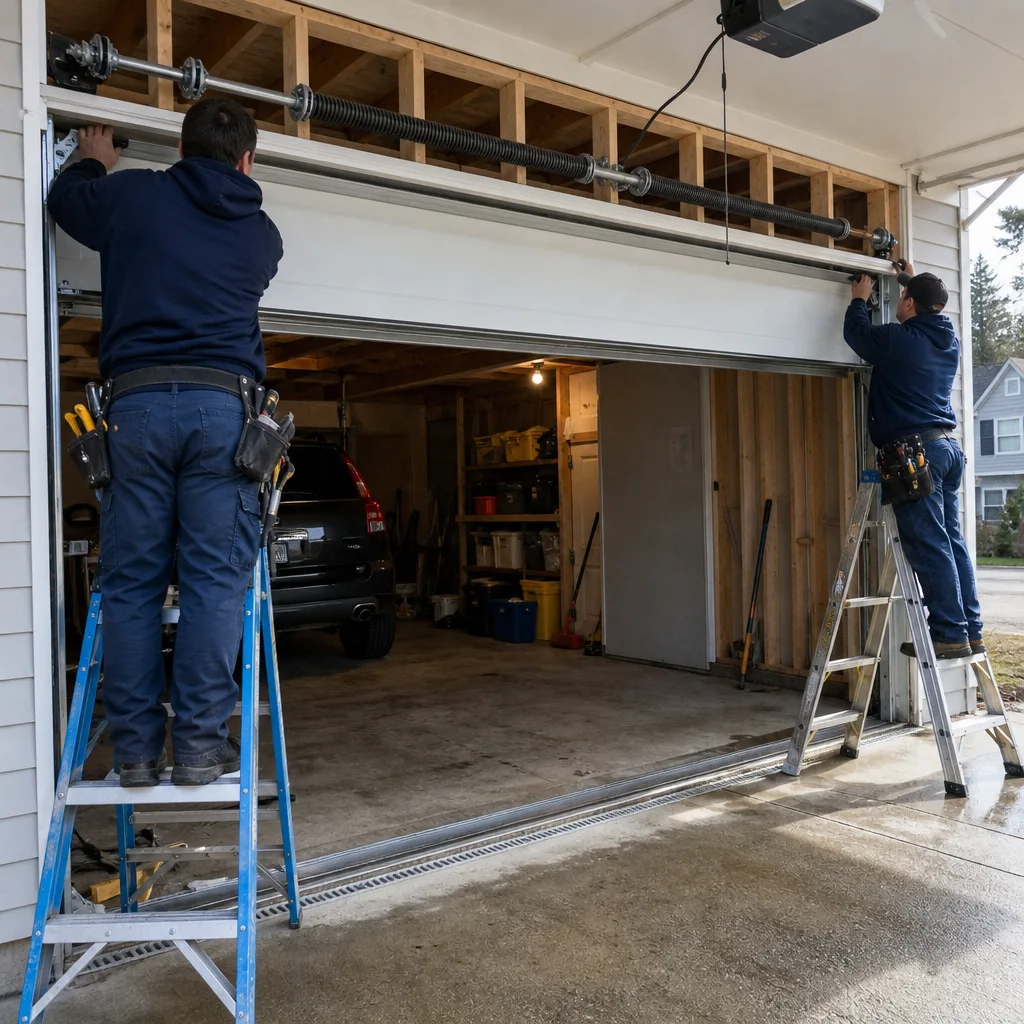
Springs do the actual lifting; the opener only guides and balances. Understanding spring type tells you what failure looks like, what it costs, and why certain repairs are dangerous to attempt without training.
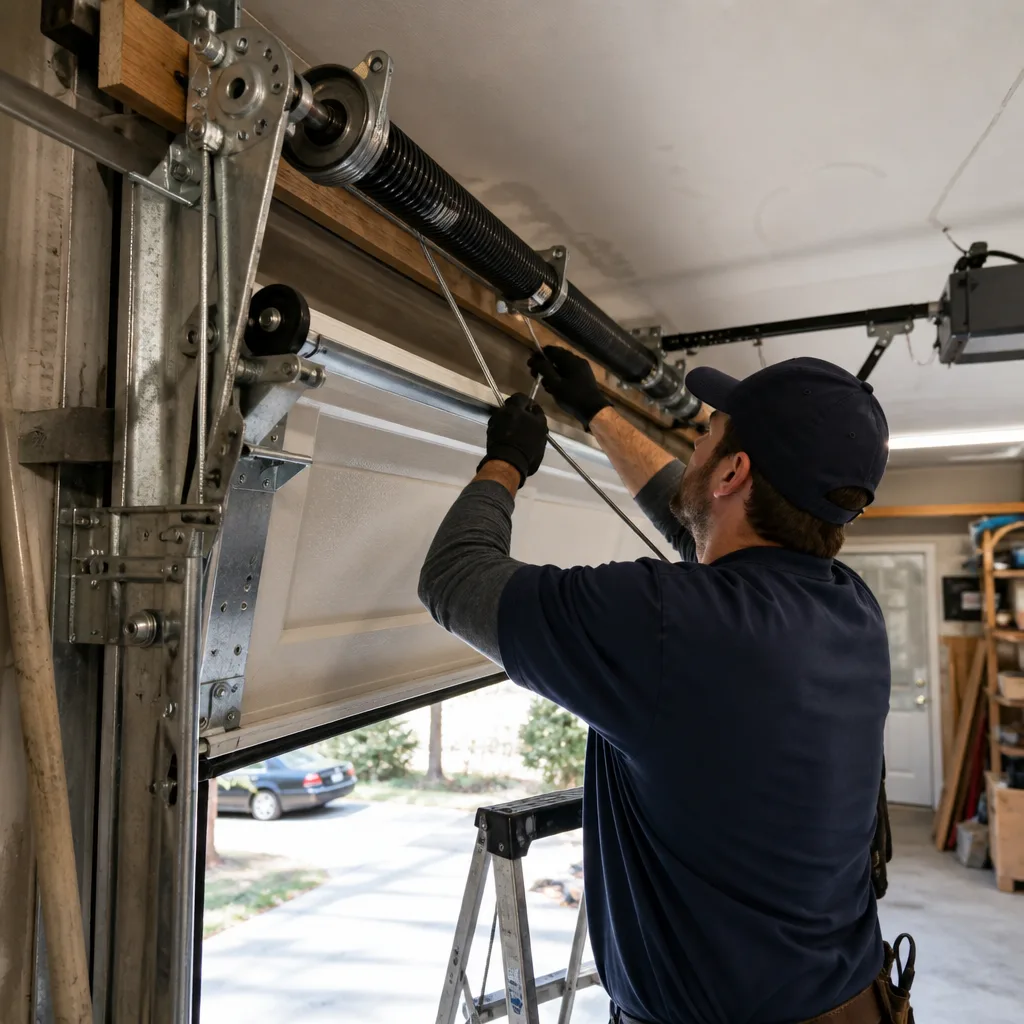
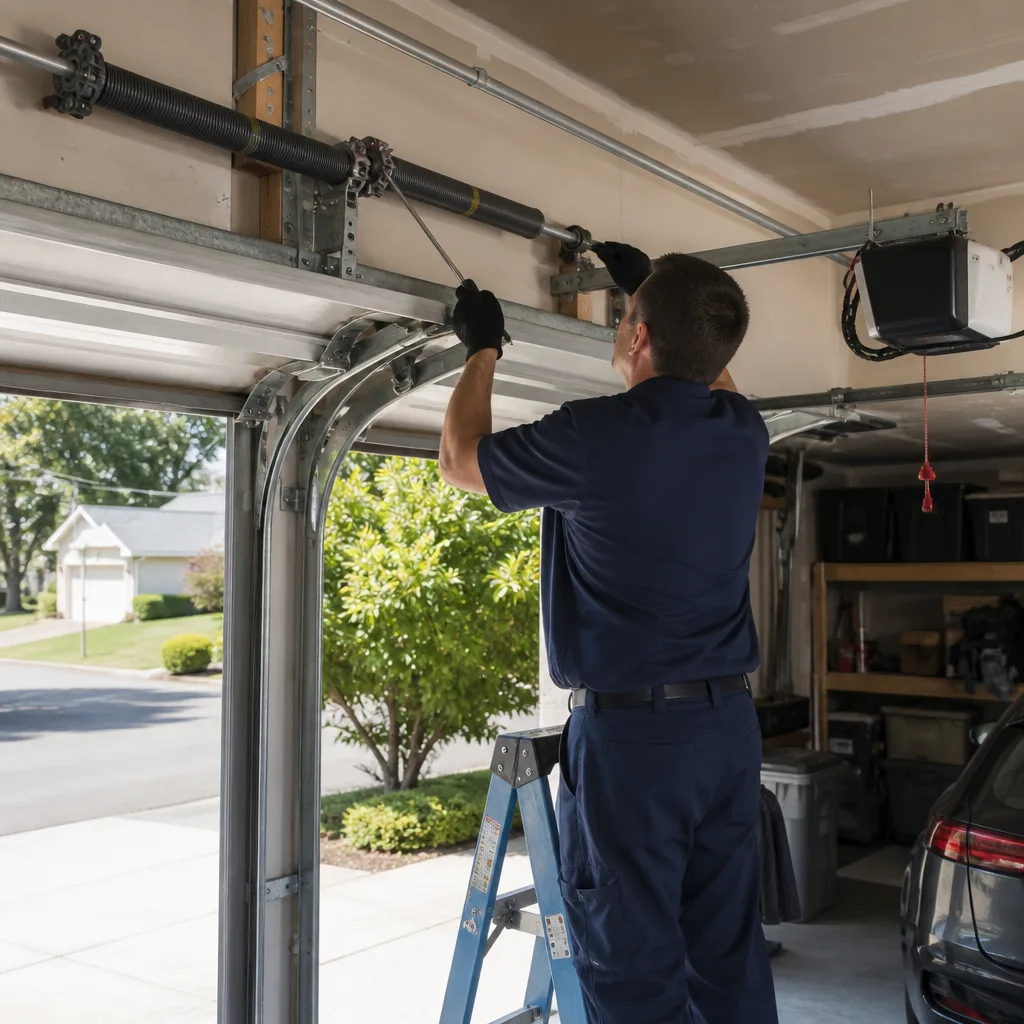
Torsion springs mount on a steel shaft above the door, wound under tension. They’re the standard for doors over 8 feet wide and for all modern installations. A broken torsion spring makes a loud bang - homeowners often mistake it for a car backfire or a gunshot. The door becomes dead weight; if it’s open when the spring breaks, it may slam shut unless the safety cables contain it.
Torsion spring lifespan is measured in cycles (one open-close). Standard springs are rated 10,000 cycles; high-cycle springs rated 20,000-30,000 cycles cost 40-60% more but last proportionally longer. For a door used 4 times daily, 10,000 cycles equals roughly 7 years. In Olympia, we’ve noticed slightly shorter effective life in waterfront properties where salt air accelerates surface corrosion; the spring doesn’t rust through, but pitting creates stress risers that initiate fatigue cracks.
Replacement cost in Olympia: $180-$340 for a standard torsion spring, including labor, for a single spring system. Dual-spring systems (recommended for doors over 16 feet wide or solid wood construction) run $320-$580. Safety note: Torsion springs store lethal energy. Winding or unwinding without proper bars and training risks serious injury or death. We document the failed spring with a photograph before quoting replacement - Clause 4 of The Haven Standard - so the customer sees the clean break at the coil or the elongated gaps that indicate fatigue.
Extension springs mount on either side of the door, stretching and contracting as the door moves. They’re found on older or lighter doors, and on some single-car installations in pre-1980s Olympia homes. They wear visibly: the coils separate when relaxed, and the spring elongates beyond its original length. Safety cables are essential - a broken extension spring becomes a projectile.
Extension spring replacement runs $140-$260 in Olympia. The lower cost reflects simpler installation, but we generally recommend converting to torsion when the door configuration allows. Torsion springs distribute lift force more evenly, reducing track wear and opener strain.
The Documentation Every Homeowner Should Demand
The single biggest predictor of a satisfactory garage door job is not the brand chosen or the price paid. It’s the documentation exchanged before the first tool is lifted. Verbal estimates are unenforceable. Photographs that the customer never sees create information asymmetry. The Haven Standard was built to eliminate both problems.
Before work begins, you should receive:
- A written quote with flat price and scope. Not a “range.” Not “plus materials.” A single number that covers labor, parts, tax, and haul-away, with a line-item breakdown showing each component. Clause 1 of The Haven Standard requires this on every job. If a contractor says “I need to see it first” and then delivers only a verbal number, that’s not upfront pricing - it’s a negotiation tactic.
- Photographic evidence of the failed component. Clause 4 is why the technician photographs the failed part before quoting a replacement. The customer receives this image, timestamped, with the part number visible where possible. In 18,000+ jobs since 2015, we’ve never had a customer dispute a recommendation when they could see the clean break in the torsion spring or the corroded logic board.
- Part numbers and warranty terms in writing. “A new spring” is not a specification. “0.250 x 2.00 x 31, oil-tempered, 10,000-cycle, with 3-year parts-and-labor warranty” is. Part numbers let you verify pricing independently and ensure the same component is installed.
- Proof of license, registration, and insurance. Washington State contractor registration, current liability insurance, and bond. The registration number belongs on the quote, not buried in fine print.
- A documented photo record at completion. Not a invoice. A record showing installed components, proper safety device placement, and clear floor space. This is your evidence if a future buyer or inspector questions the work.
We’ve reviewed competitor quotes brought in for our Free Second Opinion offer - no coupon or code required - and the pattern is consistent: vague scope, missing part numbers, no photographic evidence, and a final invoice 20-40% above the “estimate.” Documentation prevents this. It’s why we built the company around it.
Choosing a Contractor in Olympia: Red Flags and Green Lights
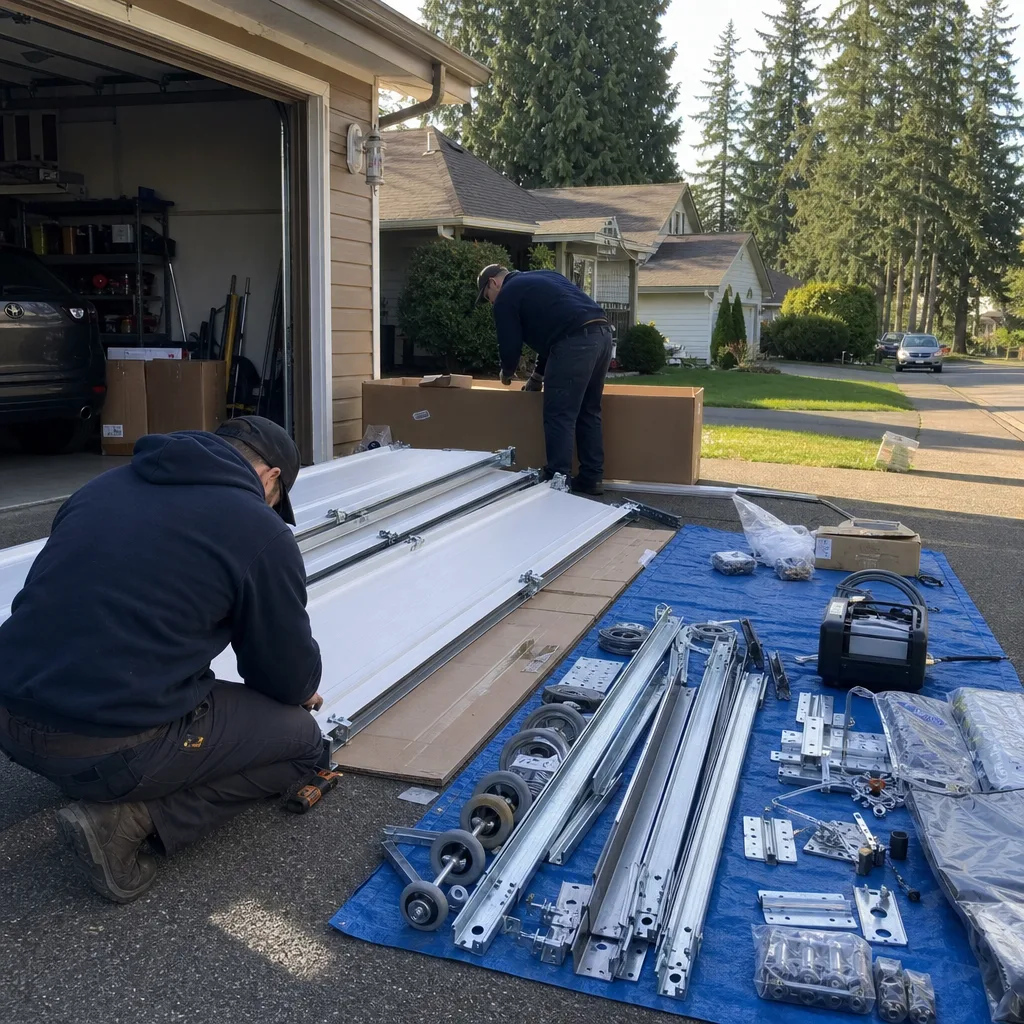
The Olympia garage door market includes independent operators, multi-truck companies from Tacoma, and national call centers that dispatch whoever answers. Here’s how to distinguish them before you commit.
Red flags:
- “Call for a quote” or “we’ll tell you when we see it.” This contradicts the entire purpose of written upfront pricing. A competent contractor can quote 90% of residential garage door work from standard specifications.
- Urgency pressure: “This price is only good today,” “we have one slot left this week,” or any variation. The evidence should persuade, not the deadline.
- No local address or contractor registration number on the website or vehicle. Washington State law requires both.
- Quotes without part numbers, warranty terms, or a written scope. Verbal estimates are unenforceable in any dispute.
- Technicians without uniforms, identification, or background-check documentation. You are admitting a stranger to your home with access to your garage and potentially your house.
Green lights:
- Flat, written price delivered before work starts, with line-item breakdown. Garage Door Repair in Olympia should never begin with a verbal guess.
- Photographic documentation of findings and completed work, delivered to the customer automatically.
- Live phone answering, including for emergency garage door calls, with a named technician and an on-the-way text.
- Local license and insurance verification on request, not reluctantly produced.
- A warranty with terms, not a handshake. The 365-Day Done Right Promise means if it’s not right, we make it right - backed by The Haven Standard and a terms page, not a smile.
Servo Garage Doors Olympia operates under these terms because we wrote them. We’re independently owned and operated under The Haven Standard, not a franchise or a call center. Servo Garage Doors Olympia home is where you’ll find our current service area and contact details.
In neighborhoods like Indian Creek and Cooper Point, where homes built 2015-2025 often have smart-home integration and insulated attached garages, we find customers particularly value the documented photo record and the flat-price system. They’ve researched before calling, and they expect the contractor to match their preparation.
Common Mistakes to Avoid
- Ignoring the bottom seal until water enters the garage. In Olympia’s climate, a cracked bottom seal admits moisture that rusts track hardware and delaminates door panels. Inspect it every fall; replacement is $35-$85 in parts, or $120-$180 installed.
- Replacing the door but reusing a 15-year-old opener. New doors are heavier and better insulated; old openers strain, fail prematurely, and often lack required safety features. Budget opener replacement with the door.
- Choosing wood for appearance without committing to maintenance. We’ve replaced $4,000 wood doors on Eastside Olympia homes after 3 years because the homeowner never restained. Composite with wood-grain embossing gives 90% of the look at 20% of the maintenance.
- Pulling a permit for like-for-like replacement. It’s unnecessary in Thurston County and adds cost and delay. But failing to pull a permit for structural modification - widening the opening, converting a window - creates sale complications and potential red-tag enforcement.
- Accepting a verbal estimate for spring repair. Spring replacement is the most common upsell target in the industry. A verbal “$150-$300” becomes $450 on the invoice. Demand written specification: wire diameter, inside diameter, length, cycle rating, and warranty.
- Installing a DIY opener without checking door balance. An unbalanced door overloads any opener and voids its warranty. Door balance should be verified with a spring scale or by a trained technician before opener installation.
- Neglecting safety device testing. Photo-eye sensors and auto-reverse functions are required by federal law and save lives. Test monthly: place a 2×4 flat on the floor and close the door; it must reverse on contact.
When to Call a Professional
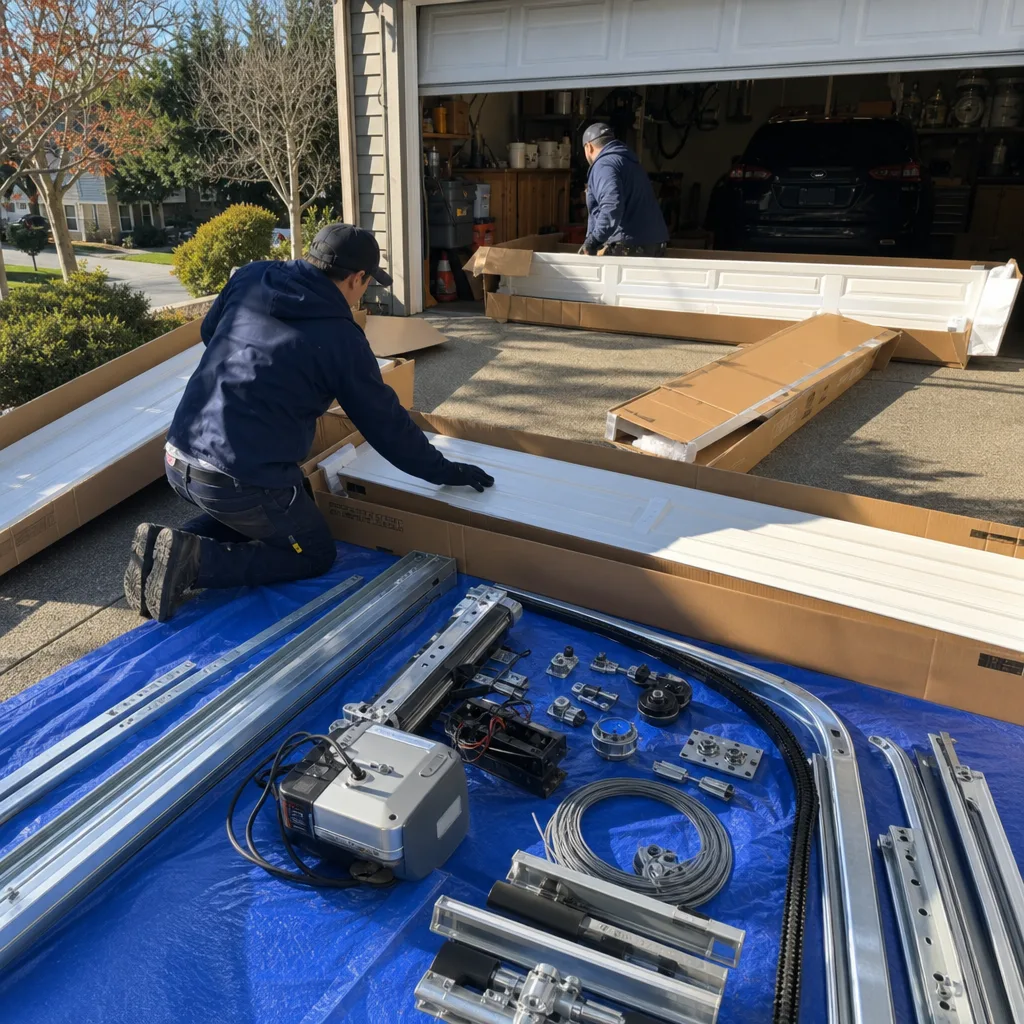
Call a trained technician for any torsion spring work, any door that has come off its tracks, any opener that hums but doesn’t move the door, or any safety device that fails testing. These are not DIY projects. A garage door weighs 150-400 pounds; the springs store enough energy to cause serious injury or death if handled improperly.
For installation, replacement, or new-door projects, a professional should measure the opening, verify header and side-jamb condition, and specify the correct spring system for the door weight. Garage Door Installation in Olympia begins with a free measure and a written price - never a verbal estimate that shifts after arrival.
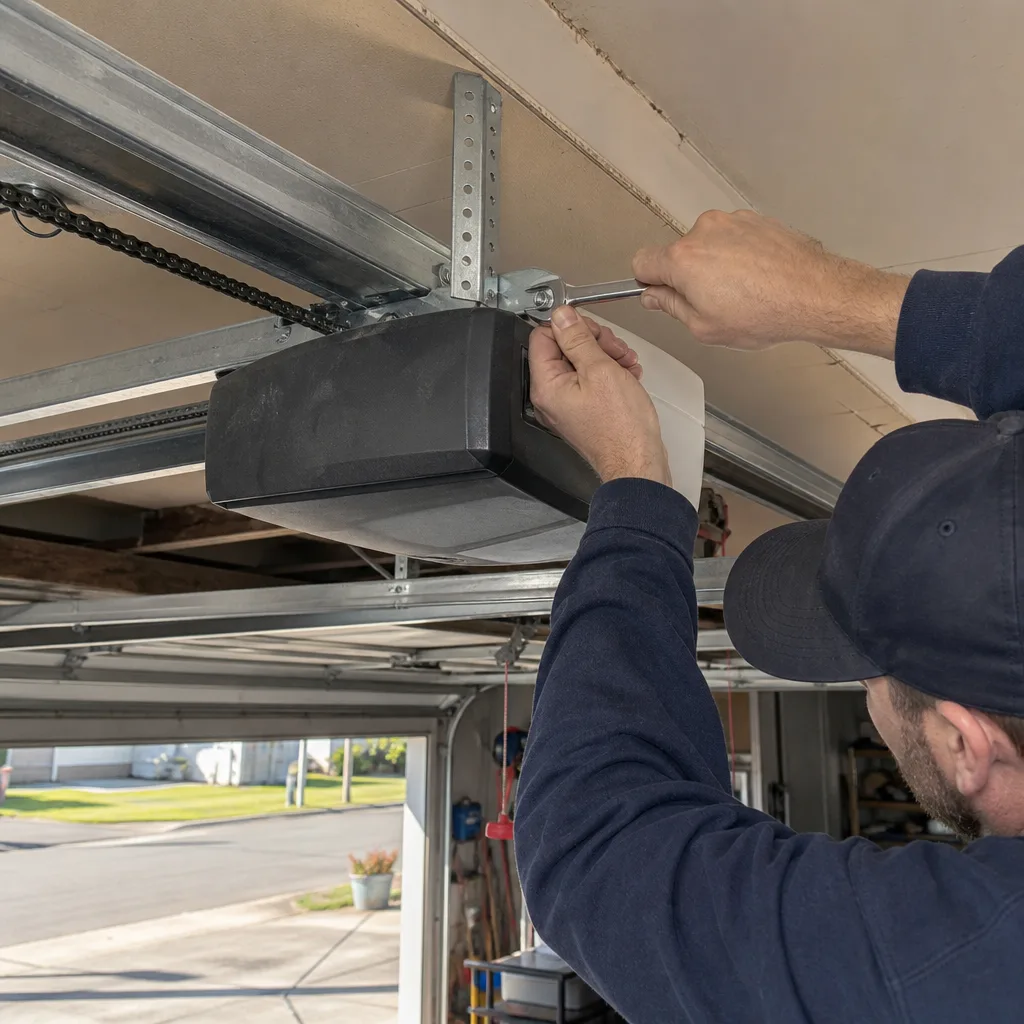
For opener issues, a technician can diagnose whether the problem is the motor, the logic board, the limit switch, or the safety circuit - and whether repair or replacement is the documented choice. Garage Door Opener Repair & Installation in Olympia covers both paths with the same written-price-first protocol.
Servo Garage Doors Olympia offers free estimates in Olympia - call (360) 995-1547. Estimates include measurement, photographic documentation of existing conditions, and a flat written price with no obligation.
Frequently Asked Questions
Standard 16×7 steel door replacement in Olympia ranges from $1,200 to $2,400 installed, with premium insulated or composite doors running $2,600 to $4,800. The range depends on material, insulation rating, window inserts, and hardware grade - see our Garage Door Cost Breakdown: The Olympia Homeowner’s Reference for 2026 for full line-item detail. Call (360) 995-1547 for a free measure and exact written quote - estimates are free and include a documented photo record of your existing door and hardware.
Torsion spring replacement in Olympia typically costs $180-$340 for a single spring or $320-$580 for a dual-spring system, including labor and warranty. Extension spring replacement runs $140-$260. The price varies with spring specifications: wire diameter, length, and cycle rating. We photograph the failed spring before quoting, per Clause 4 of The Haven Standard, so you see what we found. Call (360) 995-1547 for a free estimate.
Like-for-like replacement of an existing garage door does not require a permit in Thurston County. A permit is required only if you widen or heighten the opening, convert a window or wall to a door, install a door in new construction, modify fire separation from living space, or work in a designated flood zone. When a permit is required, Thurston County Building Development Center typically issues it within 3-5 business days with a single inspection after installation.
Washington State energy code requires a minimum R-value of 10 for garage doors on attached garages in new construction or when a permit triggers energy-code review. For existing attached garages with no permit required, we recommend R-12 to R-16 for thermal comfort and energy savings against Olympia’s 5,800 annual heating-degree days. Detached garages have no code requirement, but R-12+ pays back in 6-8 years if you heat the space intermittently.
Chain and belt drive openers typically last 10-16 years in Olympia, screw drives 7-15 years depending on lubrication maintenance. Marine moisture accelerates corrosion in screw drive threads and electrical components. We recommend battery backup models for Olympia’s windstorm outage risk, and we do not recommend reusing an opener over 12 years old when replacing the door.
No. Servo Garage Doors Olympia quotes a flat, written price before any work begins - Clause 1 of The Haven Standard. The only exception is if concealed damage is found after disassembly (rot in the header, for example), and even then we photograph the finding, explain the scope change, and obtain written approval before proceeding. No surprises, no invoice larger than the quote.
The Bottom Line
A garage door decision in Olympia is a local decision. The marine climate demands moisture-resistant materials and faithful maintenance. The energy code sets real R-value thresholds for attached garages. Thurston County’s permit rules are clear but frequently unexplained by contractors. And the documentation you receive - written quote, photographed findings, part numbers, completion record - determines whether you made a documented decision or a salesperson’s decision. The cheapest quote is rarely the most documented. The most documented quote is rarely the source of post-job disputes.
Written by Marcus Deller, Owner at Servo Garage Doors Olympia, serving Olympia since 2015.